$30.00Original price was: $30.00.$25.00Current price is: $25.00.
Sourcing Premium Australorp Hens for Sale for Sustainable Egg Production
For homesteaders, backyard poultry enthusiasts, and small-scale commercial farmers across the nation, maximizing egg production while maintaining a calm, manageable flock is a top priority. Just as success in apiculture relies heavily on selecting robust, proven genetics for your apiary, achieving self-sufficiency in poultry farming requires choosing the right heritage breeds. Among the diverse array of dual-purpose poultry strains, few can match the utility, docility, and sheer productivity of the Black Australorp.
At Golden Hive Farm, we are dedicated to advancing sustainable, high-yield agriculture. While our core expertise lies in providing elite woodenware and biological essentials for pollinators, we celebrate the interconnected ecosystem of the modern homestead—where poultry and pollinators work side-by-side to enrich the soil and drive agricultural abundance. Together with our trusted partners at Grassfield Homestead, we aim to provide you with the ultimate resource blueprint for cultivating a flourishing backyard farm. In this comprehensive guide, we will analyze the historical origins and breed standards of the Australorp, examine the physical and behavioral traits of these remarkable birds, and detail what to look for when evaluating Australorp hens for sale to upgrade your flock.
1. The Historical Foundation: The Rise of an Egg-Laying Champion
To understand why experienced farmers consistently look for Australorp hens for sale when expanding their coops, one must look at the rigorous selection process that created this breed. Developed in Australia during the early 1900s, the breed’s name is a portmanteau of “Australian Black Orpington.”
The Orpington Evolution
The foundational stock relied heavily on the Black Orpington breed imported from England, which had been bred by William Cook for its large frame and meat quality. However, Australian breeders focused their efforts entirely on utility, selecting birds for intense egg-laying capacity, early maturity, and climate resilience rather than sheer body mass.
+-----------------------------------+
|      Black Orpington (UK Stock)   |
+-----------------------------------+
                  |
                  v  (Crossed with Rhode Island Reds, Minorcas, & Leghorns)
+-----------------------------------+
|    The Modern Australorp Breed    |
|   - 300+ Egg Annual Potential     |
|   - Deep Beetle-Green Plumage     |
+-----------------------------------+
By carefully introducing minor outcrosses of Rhode Island Reds, Minorcas, and White Leghorns, they sculpted a sleek, active dual-purpose bird. The breed achieved global fame in the 1920s when a team of six Australorp hens set a world record by laying 1,857 eggs in 365 days—an average of 309.5 eggs per hen without modern synthetic lighting or advanced feeds. This monumental feat cemented the breed’s status as an undisputed titan of sustainable egg production.
2. Breed Standards and Physical Characteristics of Australorp Hens
When browsing listings or visiting hatcheries to evaluate Australorp hens for sale, understanding the official breed standards ensures you are investing in authentic, high-quality stock. A true Australorp possesses a distinctive silhouette and specific physiological markers that denote health and pure breeding. You can find excellent visual breakdowns of these breed traits over at Grassfield Homestead.
Feathers, Features, and Form
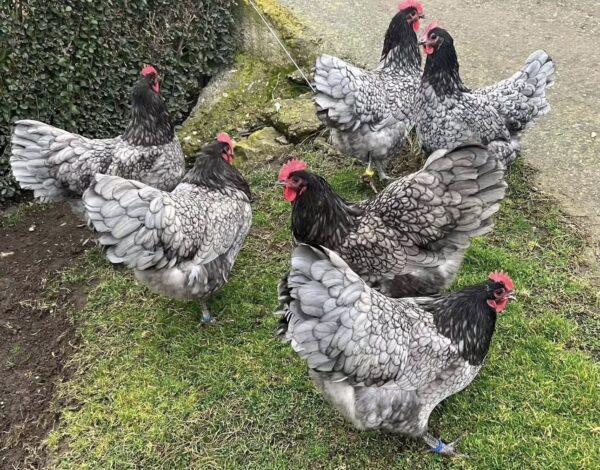
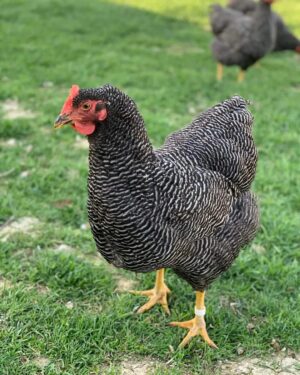
The Beetle-Green Sheen: The most striking feature of the standard Black Australorp is its dense, tight plumage. While the feathers appear deep black in ordinary light, direct sunlight reveals an intense, shimmering iridescent beetle-green sheen. Any signs of white tipping or distinct purple barring are considered deviations from pure breed lines.
Body Type and Weight: Mature hens typically weigh between 6.5 to 7.5 pounds ($2.9$ to $3.4\text{ kg}$), sporting a deep, broad, and forward-thrusting breast that reflects their dual-purpose utility. The back is long with a gradual, sweeping curve rising toward the tail.
Comb and Wattles: They feature a medium-sized, single, bright red comb with five distinct points that stand perfectly upright. The wattles and earlobes should also be smooth and vibrant red.
Legs and Eyes: The legs and toes are completely clean of feathers, showcasing a dark slate or solid black color, while the soles of their feet are distinctly pinkish-white. Their eyes are a deep, expressive black or dark brown, reflecting an alert yet gentle disposition.
3. Behavioral Dynamics: Why Australorps Are the Ultimate Flock Additions
Beyond their incredible output, the behavioral characteristics of Australorps make them highly sought-after by families and commercial keepers alike. Managing a flock is significantly easier when the birds possess an inherently peaceful and adaptable temperament.
Australorps are renowned for their calm, sweet, and passive nature. They rarely display aggression toward other flock members or human handlers, making them an ideal choice for households with young children or beginners learning poultry management. They quickly learn to recognize their keepers, often following them around the yard much like a household pet.
Climate Hardiness and Foraging Vitality
Having evolved to handle the variable weather conditions of Australia, these birds possess exceptional climate resilience. Their dense feathering keeps them exceptionally well-insulated against freezing winter temperatures, yet they tolerate hot, humid summer conditions remarkably well, provided they have access to clean water and deep shade.
Furthermore, they are phenomenal foragers. When allowed to free-range, they actively hunt down ticks, grubs, beetles, and weed seeds, converting yard waste into high-quality protein while naturally reducing pest pressure around your garden and apiary borders.
4. Maximizing Production: Egg Output and Dietary Management
When you bring home young pullets or mature hens from premium listings of Australorp hens for sale, optimizing their environment and nutrition will help them fulfill their high-yield genetic potential.
The Production Timeline
A healthy Australorp hen will typically lay her first egg between 18 and 22 weeks of age. You can expect a consistent output of 250 to 300 large, light-brown eggs per year. Unlike highly modified industrial hybrids that burn out after a single season of intense laying, heritage Australorps sustain excellent production levels for three to four years before experiencing a gradual, natural decline.
[ Day 1: Chick ] ---> [ Week 20: First Egg ] ---> [ Years 1-3: Peak Layout (250+ Eggs/Yr) ] ---> [ Year 4+: Gradual Decline ]
Nutritional Essentials for High-Volume Layers
To maintain structural health and eggshell integrity during intense laying cycles, your hens require a precise nutritional balance:
High-Quality Layer Feed: Provide a continuous supply of a 16% to 18% protein layer ration packed with essential amino acids like methionine and lysine.
Supplemental Calcium: Always offer a separate dish of crushed oyster shells or recycled, baked eggshells. High-volume layers draw massive amounts of calcium from their bones to construct eggshells; supplemental grit ensures their skeletal systems remain strong.
Clean Hydration: An egg is roughly 74% water. A brief disruption in clean water access can immediately halt egg production for up to two weeks. Keep your waterers clean, shaded, and free from debris.
5. Integrating New Australorp Hens Safely Into Your Flock
Whether you purchase day-old chicks, ready-to-lay pullets, or mature birds, bringing new livestock onto your property requires a careful, methodical approach to protect the health and social structure of your existing flock.
Step 1: Strict Biosecurity Quarantine
When sourcing any Australorp hens for sale, house the incoming birds in a completely separate quarantine coop and run for at least 14 to 21 days. Monitor them daily for signs of respiratory distress, external parasites (like mites or lice), or lethargy. This vital step ensures you do not inadvertently introduce pathogens to your established flock.
Step 2: Phased Visual Introductions
Once the quarantine period is complete, place the new hens in a secure pen adjacent to your main coop. This “look but don’t touch” setup allows the birds to acclimate to one another, exchange vocalizations, and begin establishing a modified pecking order without the risk of physical bullying.
After 5 to 7 days of visual familiarity, merge the birds late in the afternoon in a wide-open, free-range setting. The abundance of space allows the new hens to easily retreat if an older flock leader asserts dominance. By nightfall, follow them into the coop to ensure everyone roosts peacefully together.
6. Sustainable Infrastructure: Designing the Perfect Coop and Run
To keep your premium hens safe from predators and bad weather, their housing must meet specific structural standards. For customized flock blueprints, explore the layout templates at Grassfield Homestead.
Component
Minimum Spatial Requirement
Purpose
Interior Coop Floor
4 sq. ft. per hen
Provides ample space to prevent crowding and feather picking during bad weather.
Exterior Run Space
10 sq. ft. per hen
Offers room for exercise, dust-bathing, and natural foraging.
Roosting Bars
8-10 linear inches per hen
Allows birds to perch comfortably off the ground, safe from drafts.
Nest Boxes
1 box per 4-5 hens
Provides a dark, secure, and clean space for comfortable egg-laying.
Predator-Proofing and Ventilation
Australorps are large, heavy birds that cannot fly high to escape predators, making a secure enclosure essential. Use $\frac{1}{2}$-inch hardware cloth instead of standard chicken wire to cover all windows, vents, and run perimeters, preventing raccoons, foxes, and weasels from gaining entry.
Additionally, ensure your coop features high, open vents protected from direct wind. Proper ventilation draws out harmful ammonia fumes and moisture from droppings without creating chilly drafts, keeping your hens dry and healthy through the winter.
7. Trusted Livestock and Agricultural Authorities
To learn more about heritage breed preservation, poultry health, and integrated small-farm management, consult these established agricultural organizations and research extension networks:
Poultry Associations & Research Extensions
The Livestock Conservancy: A leading non-profit organization dedicated to protecting endangered livestock and poultry breeds to preserve genetic diversity.
The American Poultry Association (APA): The official governing body responsible for establishing standard breed classifications and judging criteria across North America.
8. Build a Thriving Homestead with Golden Hive Farm & Grassfield Homestead
Cultivating a resilient homestead is a rewarding journey rooted in a deep respect for natural systems. By pairing the industrious work of pollinators with the reliable egg-laying power of heritage livestock, you build a self-sustaining cycle that enriches your soil and provides wholesome food for your family.
          The Sustainable Homestead Cycle

    [ Pollinators ] ----> Enhanced garden fruit and seed set
          ^
          |
    [ Soil Enrichment ] -> Managed manure composting
          ^
          |
    [ Heritage Hens ] ---> Natural pest control and farm fresh food
At Golden Hive Farm and Grassfield Homestead, we are proud to offer high-quality resources, premium apiary setups, and expert guidance to help your sustainable farming projects thrive. Explore our full catalog of premium hives, protective gear, and educational materials today, and discover how bringing quality, care, and precision to your land can transform your harvest for seasons to come!
Reference Manual Architecture
American Poultry Association. (2010). The American Standard of Perfection. American Poultry Association, Inc.
Cook, W. (1902). The Orpington Fowls: Their History, Varieties, and Management. William Cook & Sons.
The Livestock Conservancy. (2023). Heritage Poultry Breeding and Selection Manual. The Livestock Conservancy Publications.
Smith, P. (2017). The Chicken Keeper’s Manual: A Practical Guide to Sourcing and Managing High-Yield Flock Genetics. Timber Press.

Reviews
There are no reviews yet.