$35.00Original price was: $35.00.$30.00Current price is: $30.00.
Sourcing Premium Frizzle Hens and Pullets for Sale for Distinctive Plumage and Backyard Charm
For backyard poultry curators, artisanal homesteaders, and ornamental poultry enthusiasts nationwide, building an engaging flock requires finding breeds that bring exceptional personality, visual interest, and reliable performance to your property. Just as managing a successful apiary depends on finding resilient, calm genetics for your hives, growing your poultry flock relies on choosing the right foundational stock. Among the most eye-catching variants in the poultry world, few birds spark as much joy and curiosity as premium frizzle-feathered chickens.
At Golden Hive Farm, our dedication to sustainable agriculture and natural ecosystems drives everything we do. While our core mission centers on crafting elite woodenware and sourcing premium biological essentials for pollinators, we view the modern homestead as an interconnected cycle—where friendly poultry and industrious honeybees work together to cultivate thriving land. Together with our agricultural partners at Grassfield Homestead, we have built this structural blueprint to help you evaluate, house, and manage these uniquely feathered birds. In this guide, we will break down the genetics, breed characteristics, and specialized care routines you need to know when looking for elite frizzle hens and pullets for sale to elevate your farm.
1. The Genetic Blueprint: Understanding the Frizzle Gene Mutation
To understand why experienced poultry keepers look for premium frizzle hens and pullets for sale, it is vital to know that a “Frizzle” is not actually a distinct standalone breed of chicken. Instead, it is a unique plumage characteristic caused by a naturally occurring genetic mutation that can be bred into several different established chicken lines, most famously Cochin Bantams, Polish, and Plymouth Rocks.
+-----------------------------------+
|     Standard Straight Feather     |
+-----------------------------------+
                  |
                  v  (Introduction of the incomplete dominant F gene)
+-----------------------------------+
|      The Frizzle Gene Matrix      |
|   - Outwardly curling shaft       |
|   - Incomplete dominance rules    |
+-----------------------------------+
                  |
                  v  (Selective breeding and pairing)
+-----------------------------------+
|  Frizzle Hens and Pullets Stock  |
|   - Fluffy, uniquely curved coat  |
|   - Distinctly high visual charm  |
+-----------------------------------+
The frizzle feathering pattern is governed by an incomplete dominant gene, mathematically designated as $F$. This gene alters the structural development of the feather shaft, causing it to curl upward and outward away from the bird’s body rather than laying flat against the skin. Because it follows incomplete dominance inheritance rules, pairing a frizzle-feathered bird with a straight-feathered bird yields predictable, fascinating plumage outcomes in your spring chicks.
2. Breed Standards and Physical Characteristics of Frizzles
When browsing specialized hatchery listings or visiting local breeders to evaluate frizzle hens and pullets for sale, knowing the official physical traits ensures you are investing in authentic, healthy, and structurally sound stock.
The Curled Feather Standard
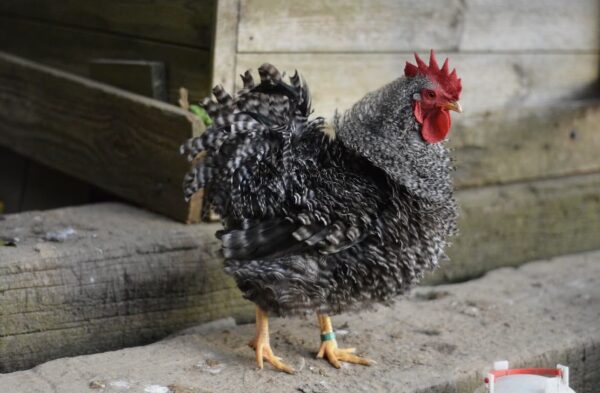
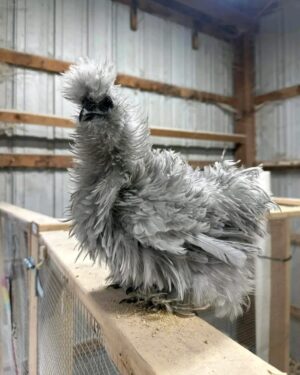
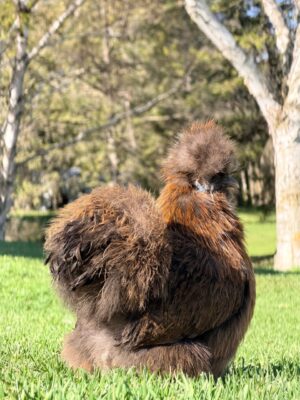
The defining feature of a high-quality frizzle pullet is the consistent, uniform curl of her plumage. Every feather along the neck, back, and breast should curve backward toward the head. The wing and tail feathers are typically more loose and ragged in appearance. The curling should be clean and crisp; a bird with partially flat or weakly waved feathers is considered a poor representation of the trait.
The “Frazzle” Breeding Risk
When evaluating stock, it is vital to understand the genetic difference between a healthy Frizzle and a “Frazzle.”
The Frazzle Variant: If breeders cross two frizzle-feathered birds together ($F \times F$), approximately 25% of the offspring will inherit two copies of the mutant gene, resulting in a homozygous “Frazzle.”
Physical Weakness: Frazzle chickens possess brittle, fragile feathers that break easily, leaving the bird patchy or bald. They often suffer from structural heart issues and struggle to regulate their body temperature.
Proper Sourcing: Always ask breeders about their parent stock. Reputable sources always cross a high-quality Frizzle with a straight-feathered bird ($F \times f$) to guarantee 50% healthy, robust Frizzle chicks and 0% fragile Frazzles.
Because the frizzle trait is most commonly bred into gentle, slow-moving parent lines like Cochins or Polish, frizzle hens and pullets are exceptionally docile, sweet, and calm. They are easily handled, rarely display territorial aggression, and love interacting with their human keepers. This gentle nature makes them a perfect fit for urban backyards, school gardens, and families with young children.
Pecking Order Dynamics
Because they are so passive and sweet-natured, frizzle hens typically sit lower on the flock’s natural social pecking order. Furthermore, their unique feathers can sometimes draw unwanted attention or feather-pecking from highly aggressive production breeds like Rhode Island Reds or Wyandottes. To ensure a harmonious backyard flock, it is best to house your frizzled birds with other gentle, similarly paced ornamental varieties.
4. Production Dynamics: Egg Output and Developmental Milestones
When you choose young birds from listings of frizzle hens and pullets for sale, tailoring your management practices to their parent breed lines will help you maximize their health and performance.
Egg Production Realities
Because “Frizzle” is a feather trait rather than a single breed, their annual egg output depends largely on their underlying breed genetics.
Cochin-Based Frizzles: Typically lay 120 to 160 small-to-medium, light brown eggs per year, and possess strong maternal instincts, frequently going broody.
Polish-Based Frizzles: Will produce 150 to 200 medium, white eggs per year, and rarely display a desire to sit on a nest.
Laying Timeline: Most frizzle pullets will mature and lay their very first egg between 20 and 26 weeks of age, depending on their diet and seasonal light levels.
[ Day 1: Chick ] ---> [ Week 22: First Egg ] ---> [ Year 1-2: Steady Production ] ---> [ Summer: High Broody Potential ]
5. Integrating New Frizzle Pullets Safely Into Your Setup
Bringing new pullets home requires a patient, stepped introduction to safeguard your flock’s health and minimize stress during the transition.
Step 1: Strict Biosecurity Quarantine
When sourcing frizzle hens and pullets for sale, house the incoming birds in a separate quarantine pen at least 30 feet away from your main flock for 14 to 21 days. Check them daily for signs of respiratory issues, clear eyes, and any external pests like mites or lice before moving forward.
Step 2: Shared Mesh Barriers
Once quarantine is complete, move the new pullets into an integration pen right next to your main flock. This visual setup allows all the birds to see, hear, and interact with each other through a secure wire mesh barrier for 5 to 7 days, helping them acclimate without the risk of pecking injuries.
After a week of visual contact, gently move the new pullets onto the main coop’s roosting bars after dark while your existing flock is asleep. Because chickens are calm and sleepy at night, waking up next to each other the following morning significantly reduces territorial bullying.
6. Sustainable Infrastructure: Specialized Housing for Frizzled Birds
Because their feathers curl outward, frizzled chickens lose heat much faster than straight-feathered birds and are completely unable to fly. Their housing must meet specific structural standards to keep them dry, safe, and warm. For detailed coop blueprints and yard layouts, explore the homestead resources over at Grassfield Homestead.
Structural Feature
Minimum Standard Requirement
Management Purpose
Coop Floor Space
4-5 sq. ft. per bird
Prevents crowding and reduces feather-picking risks.
Roosting Bar Height
12-18 inches from the floor
Allows these flightless birds to hop down safely without injuring their joints.
Ramp Incline Angle
Shallow $30^\circ$ incline with cleats
Enables flightless pullets to easily walk up into the coop.
Run Protection
Complete overhead solid roofing
Keeps their delicate, open feathers from getting soaked by cold rain or snow.
Weather Protection and Microclimates
Because a frizzle’s feathers curl outward, they cannot trap a layer of warm air against their skin like standard chickens do. This makes them highly vulnerable to both soaking rain and sub-zero winter drafts.
Ensure your coop is completely draft-free, and provide a thick, deep bed of dry pine shavings or clean straw to insulate them from cold floors. In wet winter conditions, keep your frizzled birds inside a dry, sheltered run to prevent cold moisture from chilling them.
7. Trusted Scientific and Industry Authorities
To learn more about poultry genetics, feather mutations, and integrated small-farm management, consult these established agricultural research extensions and preservation organizations:
Poultry Associations & Research Extensions
The Livestock Conservancy: A leading non-profit organization dedicated to protecting historic, endangered livestock and poultry breeds to preserve genetic diversity.
The American Poultry Association (APA): The official governing body responsible for maintaining breed classifications and standard judging criteria across North America.
8. Build a Balanced Homestead with Golden Hive Farm
Cultivating a resilient homestead is all about understanding and working with natural systems. By pairing the unique charm of heritage ornamental poultry with the seasonal pollination power of healthy honeybee colonies, you create a sustainable, self-reinforcing cycle that brings life and abundance to your land.
At Golden Hive Farm and Grassfield Homestead, we are committed to providing you with the high-quality gear, elite apiary setups, and expert guidance needed to help your homestead thrive. Explore our complete selection of premium hives, protective equipment, and educational guides today, and discover how bringing quality, care, and structural precision to your land can transform your harvest for seasons to come!
Reference Manual Architecture
American Poultry Association. (2010). The American Standard of Perfection. American Poultry Association, Inc.
Hutt, F. B. (1930). The Genetics of the Fowl: The Inheritance of Frizzle Feathers. Journal of Genetics, 22(1), 109-127.
The Livestock Conservancy. (2023). Heritage Poultry Breeding and Selection Manual. The Livestock Conservancy Publications.
Smith, P. (2017). The Chicken Keeper’s Manual: A Practical Guide to Sourcing and Managing High-Yield Flock Genetics. Timber Pres
Reviews
There are no reviews yet.