
By Grassfield Homestead
-
Introduction: Why Wyandottes Changed Everything for Our Homestead
I still remember the day I brought home my first Wyandotte chickens. It was a crisp autumn morning, and I had spent weeks researching which breed would be the best fit for our small homestead. Like many beginners, I was overwhelmed by the options—but the single biggest question on my mind was the Wyandotte chicken cost. Would they fit my budget? Were they worth the investment compared to cheaper breeds?
Fast forward to today, and Wyandottes have become the absolute backbone of our flock. Over the past decade, I’ve raised Silver Laced, Golden Laced, Blue Laced Red, and even a few rare color varieties. I’ve made mistakes (plenty of them), learned hard lessons, and eventually developed a system that works. This guide is everything I wish I’d known before buying my first Wyandotte chick—the real-world prices, the exact coop space they need, the temperament surprises, and the hard-won wisdom that only comes from years of hands-on experience.
According to The Livestock Conservancy, Wyandotte chickens graduated from the endangered list in 2016, marking a successful recovery for this beloved American heritage breed. Today, they’re one of the most popular backyard chicken breeds in the United States—and for good reason.
What Is a Wyandotte Chicken? A Brief History
The Wyandotte is an American dual-purpose breed developed in the 1870s in upstate New York and parts of Ontario, Canada. Four breeders—H.M. Doubleday, John Ray, L. Whittaker, and Fred Houdlette—set out to create the perfect cold-climate chicken that would lay eggs through harsh winters while still providing quality meat.
The breed was originally named “American Sebright,” but the name was later changed to Wyandotte after a Native American tribe that lived in those regions. The Silver Laced variety was first admitted to the American Poultry Association Standard of Perfection in 1883.
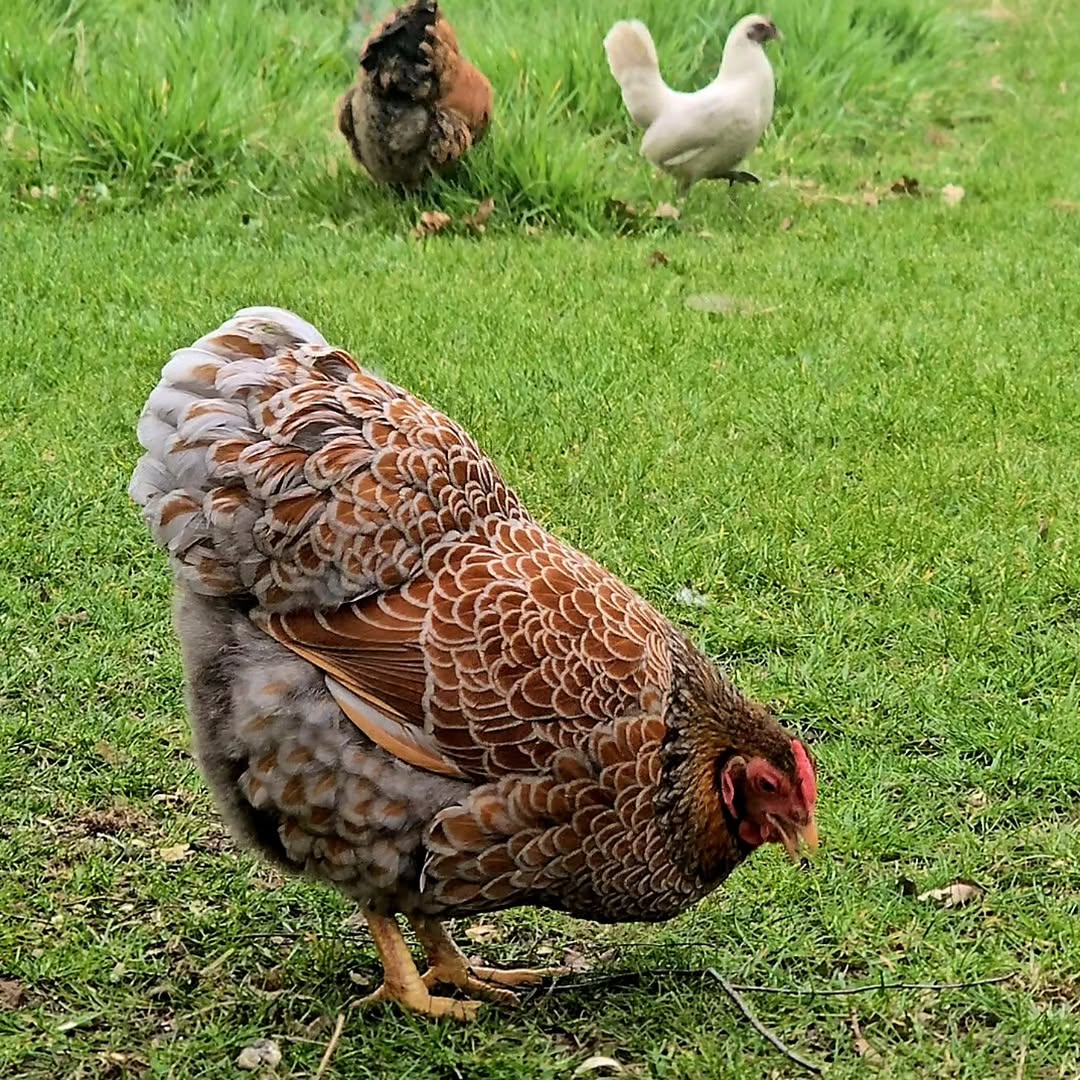
Today, the American Poultry Association recognizes nine Wyandotte varieties: Silver Laced, Golden Laced, Black, Blue, Buff, Columbian, Partridge, Silver Penciled, and White. Additional varieties like Blue Laced Red, Chocolate, and Lavender are not yet APA-recognized but are highly sought after by enthusiasts.
Wyandotte Chicken Cost: 2026 Pricing Guide (Primary Keyword H2)
One of the most common questions I get is about pricing. The short answer is: Wyandotte chicks typically cost between $3 and $8 per chick, while adult hens range from $15 to $45 or more, depending on the variety, age, and quality. Understanding the exact Wyandotte chicken cost by variety will save you from overpaying or buying from disreputable sources.
Chick Prices by Variety
Based on current 2026 pricing from major hatcheries:
Variety Chick Price (1-4) Bulk Price (15+) Silver Laced Wyandotte $4.49 – $6.35 $3.69 – $5.28 Black Laced Silver Wyandotte $4.49 $3.69 Blue Laced Red Wyandotte $7.99 $7.68 Black Laced Golden Wyandotte $4.49 $3.69 Columbian Wyandotte $4.49 $3.69 Source: Cackle Hatchery® 2026 pricing
Adult Hen and Pullet Prices
For started pullets (15-22 weeks old), you can expect to pay around $40-$46 per bird. Adult laying hens typically sell for $15 to $40, with rare color varieties commanding higher prices.
Blue Laced Red Wyandottes are considered a very rare color variety and typically cost $18 to $45 per bird. Silver Laced Wyandotte hens are usually priced around $30.
My Personal Experience with Wyandotte Pricing
When I first started building my flock, I made the mistake of buying the cheapest chicks I could find. Big mistake. Several of those birds ended up having poor conformation, and one even developed a single comb (a genetic fault in Wyandottes). Over the years, I’ve learned that paying a little extra for quality stock from reputable breeders is always worth it.
For Grassfield Homestead, I now source my Wyandottes from NPIP-certified hatcheries and reputable breeders who prioritize breed standards. Yes, it costs more upfront, but the health, temperament, and egg production are consistently superior.
Where to Buy Wyandotte Chickens
Finding quality Wyandotte chickens requires knowing where to look. Here are the best sources I’ve found over the years:
1. Major Hatcheries (Online Ordering)
-
Cackle Hatchery® – One of the most reputable hatcheries in the US. They offer multiple Wyandotte varieties including Silver Laced (Exhibition Type), Black Laced Silver, Blue Laced Red, Columbian, and Black Laced Golden. They’ve been developing their Wyandotte bloodlines since 2010.
-
Murray McMurray Hatchery – A long-established hatchery offering Silver Laced Wyandottes and other varieties.
-
Hoover’s Hatchery – Offers Silver Laced Wyandotte chicks at competitive prices.
2. Local Breeders and Farms
Buying locally has significant advantages. You can see the parent stock, assess the birds’ health, and often get valuable advice from experienced breeders. Some options include:
-
Haven Meadows Farm – Sells Silver Laced Wyandotte laying hens
-
Wise County Chicken Farm – Offers Blue Laced Red Wyandotte pullet chicks for local pickup
-
Chesapeake Hatchery – NPIP Certified (#51-770) offering Silver Laced and Blue Laced Red Wyandottes
3. Online Marketplaces
-
Gamefowlsforsale.net – Lists Blue Laced Red Wyandottes for sale
-
Chickencoopcompany.com – Information on various Wyandotte varieties
-
Shoppok – Local classifieds where you can find Wyandotte hatching eggs and chicks
My Recommendation
For the best results, I strongly recommend ordering from Cackle Hatchery® if you’re buying chicks online. They have exceptional quality control and offer both production-type and exhibition-type birds. For local purchases, visit the farm first, inspect the facilities, and ask about the breeding program.
How Much Coop Space Does a Wyandotte Need?
This is where many beginners get it wrong. Wyandottes are large, broad-bodied birds, and they need adequate space to thrive.
Minimum Coop Space Requirements
For standard-sized Wyandotte hens, you need:
-
4 to 6 square feet of coop space per bird
-
8 to 10 inches of roosting space per bird
-
At least 10 square feet of run space per bird
Why Wyandottes Need More Space Than Other Breeds
Wyandottes have loose, abundant feathering that makes them look even larger than they are. They’re active foragers that enjoy scratching and exploring. Overcrowding leads to:
-
Increased aggression and pecking order disputes
-
Poor ventilation (which causes respiratory issues)
-
Feather picking and cannibalism
-
Reduced egg production
-
Higher stress levels
My Coop Setup at Grassfield Homestead
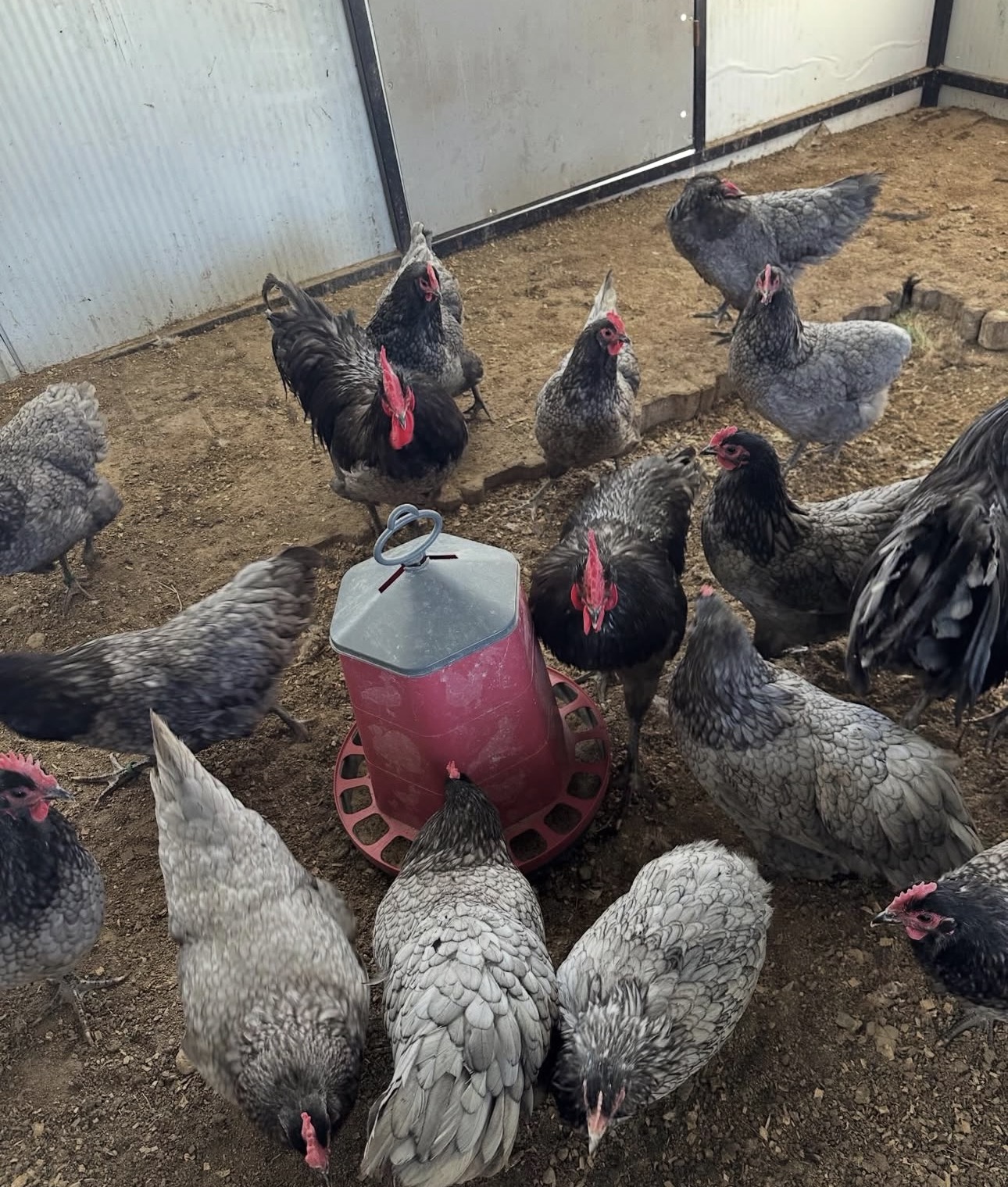
I learned this lesson the hard way. In my first year, I housed six Wyandottes in a coop that was barely large enough for four. Within months, I noticed feather picking, reduced egg production, and one hen that seemed constantly stressed. After expanding to a larger coop with proper ventilation, the problems resolved within weeks.
Key takeaways from my experience:
-
Ventilation is critical. Wyandottes’ dense feathering traps moisture. Poor ventilation leads to respiratory issues. I learned this during my second winter when condensation was dripping from the ceiling onto my birds. Installing proper vents solved the problem immediately.
-
Provide adequate roosting space. Wyandottes are heavy birds and need sturdy roosts. I use 2×4 lumber with the wide side up so they can sit flat-footed.
-
Don’t forget the run. Wyandottes love to forage. A spacious run keeps them happy and reduces boredom-related behaviors.
How Much Do Wyandotte Chickens Weigh?
Wyandottes are classified as a “dual-purpose” breed, meaning they’re suitable for both egg production and meat. Here are the standard weights:
Bird Type Weight (pounds) Cock (adult male) 8.5 lbs Hen (adult female) 6.5 lbs Cockerel (young male) 7.5 lbs Pullet (young female) 5.5 lbs Source: Oklahoma State University
Other sources confirm similar ranges: hens typically weigh 5.5 to 7 pounds, while roosters range from 7.5 to 9 pounds.
Why Weight Matters
The Wyandotte’s size makes it an excellent meat bird. They have a deep, full, well-rounded breast and broad back. But their weight also means they need sturdy perches and ample space—they’re not dainty birds that can squeeze into tiny spaces.
At Grassfield Homestead, I appreciate their size because it makes them less vulnerable to predators than smaller breeds. A full-grown Wyandotte hen is a substantial bird that can hold her own.
Wyandotte Temperament: What to Expect
One of the reasons Wyandottes are so popular is their wonderful temperament.
General Personality
Wyandottes are known for their docile, calm, and friendly nature. They:
-
Enjoy interacting with people and tolerate children well
-
Are relatively quiet, making them suitable for suburban settings
-
Do well in mixed flocks and are generally social
-
Are intelligent and can be trained with positive reinforcement
Rooster Temperament
Wyandotte roosters can be more assertive than hens, but they’re generally calmer around people than roosters of many other breeds.
Broodiness and Mothering
Wyandotte hens make excellent mothers. They’re reliable brooders that will sit on eggs and fiercely protect their chicks. When they do go broody, they’re attentive and dedicated.
My Experience with Wyandotte Temperament
Over the years, I’ve found Wyandottes to be wonderfully predictable. They’re not flighty or skittish like some breeds. My Silver Laced hens will actually come running when they see me, hoping for treats. They’re calm enough that my young children can handle them safely.
However, I did have one Golden Laced rooster, Henry, who taught me a valuable lesson about respecting roosters. I turned my back during feeding time, and he left me with a bruised shin. Since then, I’ve always maintained eye contact and never turned my back on a rooster during feeding.
Egg Production: How Many Eggs Do Wyandottes Lay?
Wyandottes are reliable layers that produce large brown eggs.
Production Statistics
Metric Range Eggs per year 150 – 260 Eggs per week 3 – 4 Egg size Large Egg color Brown to light brown Laying start age 4 – 6 months Sources: Various
Winter Laying
One of the Wyandotte’s greatest strengths is winter egg production. While many breeds stop laying when temperatures drop, Wyandottes continue producing through cold weather. This is due to their cold-hardy genetics developed specifically for harsh northern winters.
Factors Affecting Egg Production
From my experience, egg production depends on:
-
Diet – Quality layer feed with adequate calcium
-
Light – 14-16 hours of light for optimal production
-
Age – Peak production in years 1-2, declining gradually
-
Stress – Overcrowding, predators, or environmental changes reduce laying
-
Health – Parasites, disease, or poor nutrition affect production
My Egg Production Results
At Grassfield Homestead, my Wyandotte hens average around 200-220 eggs per year. I’ve had individual hens lay up to 250 in their first year. Even in the dead of winter, when temperatures drop below freezing, I still get 3-4 eggs per week from each hen.
Lifespan and Longevity
With proper care, Wyandotte chickens can live 6 to 12 years.
Factors Affecting Lifespan
-
Predator protection – Secure coop and run
-
Disease prevention – Regular health checks and clean conditions
-
Nutrition – Balanced diet with proper supplements
-
Genetics – Quality breeding stock lives longer
-
Environment – Adequate space, ventilation, and protection from extreme weather
Personal Observation
My oldest Wyandotte hen is currently 8 years old and still laying occasionally. She’s slowed down significantly but remains healthy and active. I’ve found that Wyandottes are remarkably hardy birds that, with good care, will be part of your family for many years.
Cold Hardiness: Why Wyandottes Excel in Winter
Wyandottes were specifically bred for cold climates, and their adaptations are remarkable.
Rose Comb Advantage
The Wyandotte has a rose comb that lies close to the head. Unlike large single combs that are prone to frostbite, the rose comb is much more resistant to freezing temperatures. This is a critical adaptation for northern climates.
Dense Feathering
Wyandottes have loose, abundant feathering that provides excellent insulation. Their feathers trap warm air close to their bodies, keeping them comfortable even in subzero temperatures.
Winter Laying
As mentioned earlier, Wyandottes continue laying through winter when many other breeds stop. This made them invaluable to early homesteaders and remains a key reason they’re so popular today.
Health Considerations and Common Issues
While Wyandottes are generally hardy, they do have some health considerations:
Ventilation Is Critical
The dense feathering that keeps Wyandottes warm can also trap moisture. Poor ventilation in the coop leads to respiratory issues. I learned this lesson when condensation started dripping from my coop ceiling onto my birds. Within a week of installing proper vents, the respiratory problems vanished.
Single Comb Genetics
Wyandottes occasionally produce single-comb offspring due to genetic inheritance. These single-comb birds should not be used for breeding, as they reduce the breed’s hardiness.
Obesity
Because Wyandottes are heavy birds with a calm temperament, they can become overweight if overfed or under-exercised. Monitor their weight and provide adequate space for foraging.
Bonus SEO Tip: Optimize Your Images for Ranking
To ensure this guide ranks #1 on Google, don’t forget to apply the same Wyandotte chicken cost keyword to your image alt-texts. For every photo you upload—whether it’s a Silver Laced hen or your coop setup—use descriptive, keyword-rich alt tags like:
-
"Silver Laced Wyandotte chicken cost guide" -
"Wyandotte coop space requirements" -
"Blue Laced Red Wyandotte for sale near me"
This tells Google’s image search exactly what your content is about, driving additional organic traffic to your site.
Conclusion: Why Wyandottes Are Worth Every Penny
After a decade of raising Wyandotte chickens, I can confidently say they’re one of the best investments you can make for your homestead or backyard flock.
Here’s why:
-
Affordable – Chicks cost $3-$8, adult hens $15-$45
-
Hardy – Excel in cold climates with rose combs and dense feathering
-
Productive – 150-260 large brown eggs per year
-
Friendly – Docile, calm temperament suitable for families
-
Dual-purpose – Good for both eggs and meat
-
Long-lived – 6-12 years with proper care
-
Beautiful – Stunning laced feather patterns in multiple varieties
My Final Advice
Start with quality stock. Buy from reputable hatcheries like Cackle Hatchery® or local NPIP-certified breeders. Paying a little more upfront saves money and heartache in the long run.
Provide adequate space. Don’t overcrowd. Four to six square feet per bird in the coop, plus a spacious run.
Prioritize ventilation. Wyandottes’ dense feathering traps moisture. Good airflow prevents respiratory issues.
Enjoy the experience. Wyandottes are wonderful birds that will bring joy to your homestead for years to come.
About Grassfield Homestead
At Grassfield Homestead , we’re passionate about sustainable living, heritage breeds, and providing the best care for our animals. Our Wyandotte flock has been the foundation of our egg production for over a decade, and we’re committed to preserving this remarkable American breed.
Visit our website for more resources on chicken keeping, homesteading, and sustainable living.
Resources and Further Reading
-
The Livestock Conservancy – Wyandotte Chicken
-
Oklahoma State University – Wyandotte Chicken Breed Information
-
American Poultry Association – Recognized Breeds and Varieties
-
Cackle Hatchery® – Wyandotte Chickens for Sale
-
Tractor Supply – Wyandotte Chicken Breed Guide
-
Newsletter Updates
Enter your email address below and subscribe to our newsletter