
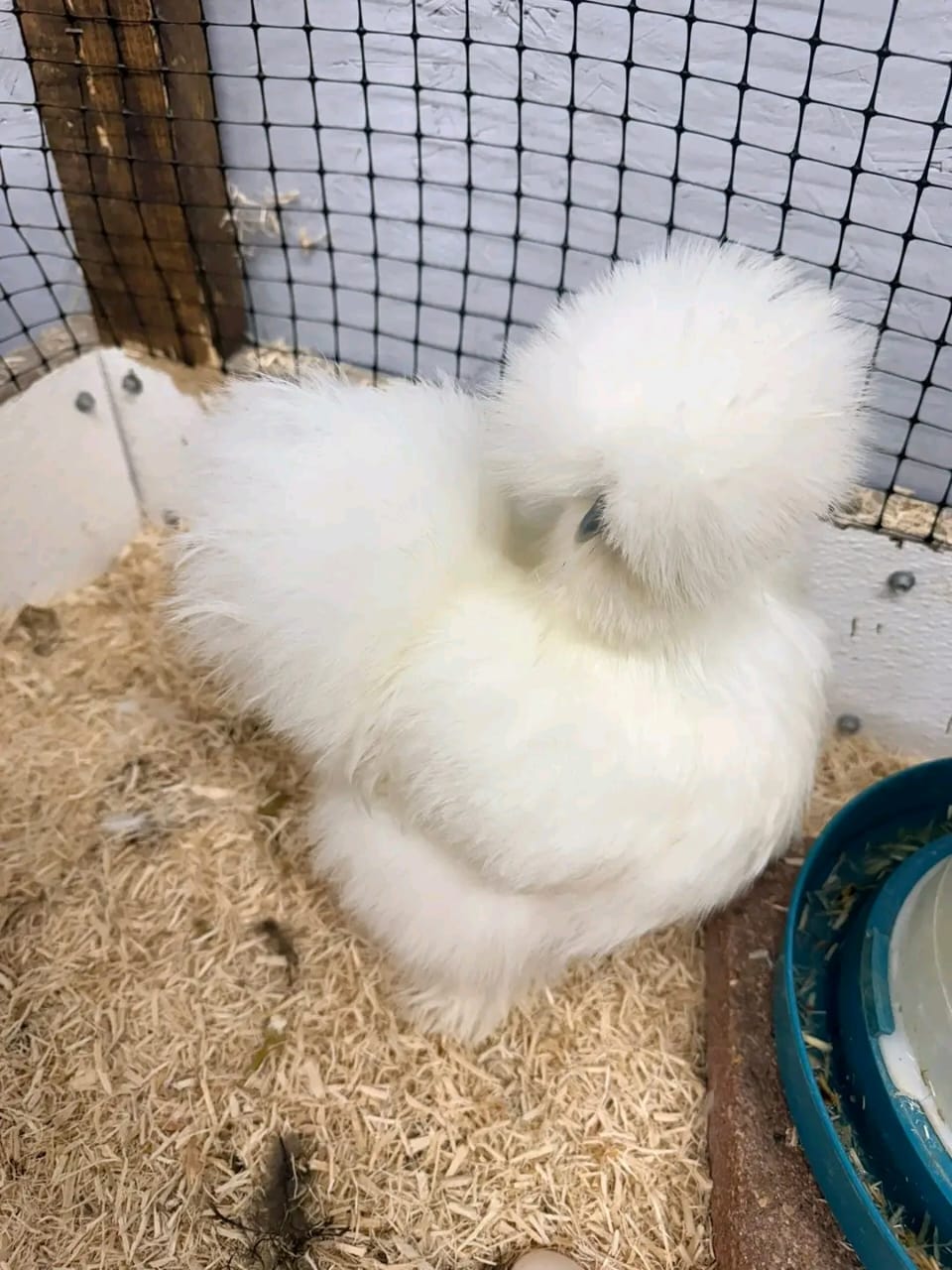
The modern poultry landscape has seen thousands of trends pass, yet one bird consistently dominates global backyard poultry searches: the Silkie. Whether urban flock raisers are searching for where to buy silkie chickens or exploring the specific morphological oddities under the query what is a silkie chicken, this breed remains an undisputed favorite.
However, because of their unique genetics, Silkies are also one of the most misunderstood breeds in the world. They challenge standard poultry management practices at every turn. If you treat a Silkie like a standard Rhode Island Red or a Cornish Cross, your flock will struggle.
This deep-dive technical manual provides an authoritative framework for managing, breeding, and purchasing Silkie chickens, drawing on field data from poultry genetics experts and established homesteading protocols at Grassfield Homestead.
Section 1: Phylogeny & Deep Morphology — What is a Silkie Chicken?
To truly answer what is a silkie chicken, one must look beyond their ornamental appeal and explore their unique evolutionary biology. Historically originating in Southeast Asia—with early written records emerging from 13th-century China—the Silkie represents a fascinating divergence in avian genetic mutation.
                         SILKIE GENETIC EXPRESSION MAPPING

   [Hookless Barbules] ──────► Appears as hair-like fluff (Cannot fly)
   [Fibromelanosis (Fm)] ────► Ink-black skin, muscles, organs, and bones
   [Polydactyly Gene]  ──────► Forces development of a 5th toe on each foot
The Mutation Behind the Fluff: Hookless Barbules
A standard avian feather is a marvel of biological engineering. It consists of a central shaft (rachis) with projecting barbs. These barbs branch into smaller barbules, which are equipped with microscopic hooks called barbicels. These hooks zip the feather fibers together into a flat, cohesive surface that catches air and repels water.
The Silkie chicken carries a recessive mutation that completely suppresses the formation of these barbicels. Consequently, the barbules remain completely open, loose, and disconnected. This structure closely mirrors the downy undercoat of wild birds or the coat of an angora mammal, creating their signature hair-like appearance. Because the feathers cannot zip together, they cannot hold air pressure. This answers a common question among smallholders: can silkies fly? No, silkie chickens cannot fly at all. They are entirely grounded.
Fibromelanosis: The Genetics of Black Meat
One of the most frequent inquiries from livestock historians is why is silkie chicken meat black. This striking feature is driven by a complex genetic mutation known as Fibromelanosis (Fm).
[Edn3 Gene Overexpression] ──► Massive Melanoblast Migration ──► All Tissues Turn Jet Black
This mutation causes an intense overexpression of the Endothelin 3 (Edn3) gene during embryonic development. This triggers a massive, unrestricted migration of dark melanoblasts (pigment-producing cells) into nearly every tissue type. As a result, their outer skin, connective tissue, muscle fibers, inner organs, and even their periosteum (bone-coating membrane) are a deep charcoal black. According to comparative genomic studies published by the National Center for Biotechnology Information (NCBI), this melanistic trait does not alter flavor profiles, but it does drastically increase concentrations of carnosine, a potent natural antioxidant.
The Five Purebred Morphological Identifiers
When evaluating a bird to confirm if it meets strict show standards or clean heritage lines, look for these five non-negotiable physical markers:
- Polydactyly (The Fifth Toe): While 99% of poultry breeds possess exactly four toes, purebred Silkies must display five distinct toes on each foot. The fourth and fifth toes must split clearly at the metatarsal joint, with the fifth toe curving slightly upward.
- Turquoise Earlobes: The intense internal pigmentation projects outward through the facial tissue, reflecting light as a brilliant, semi-metallic turquoise-blue color on their earlobes.
- The Mulberry Walnut Comb: Instead of a tall, spiky single comb, they have a compact, dome-shaped “walnut” comb that sits flat on the forehead. It should look bumpy and rough, like the shell of a walnut, and must be deep purple or mulberry—never bright red.
- Feathered Shanks and Outer Toes: The hookless plumage must run smoothly down the outer edge of their legs (shanks) and extend continuously along the middle and outer toes.
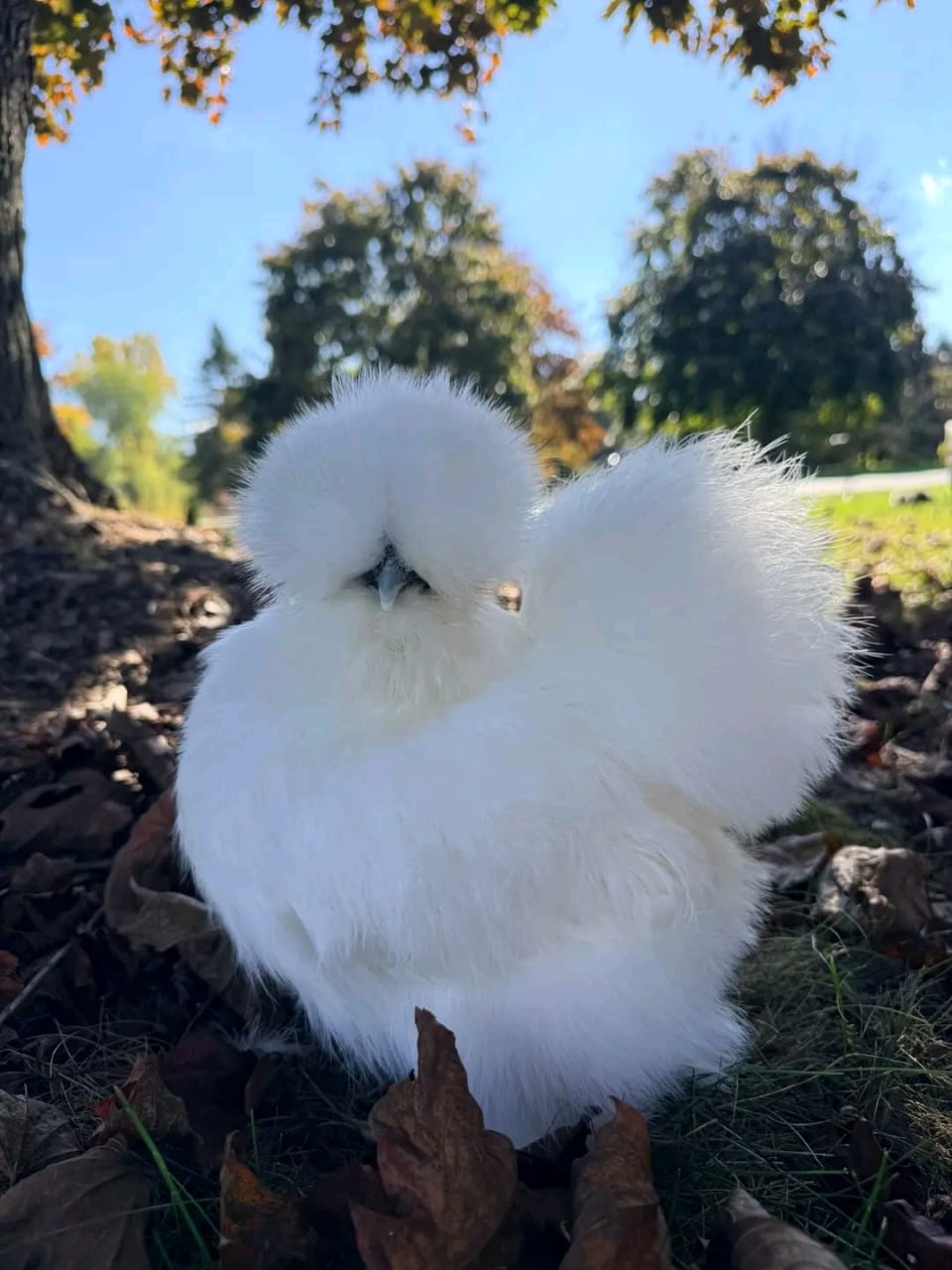
- The Structural Crest and Muffing: A true Silkie features a dense, backward-facing crest of feathers on top of its head, often paired with full “muffs” that cover the earlobes and beard feathers that tuck neatly beneath the beak.
Section 2: Size Classifications, Weights, and Color Genetics
Understanding the scale and varieties of the breed is essential before looking for where to buy silkie chickens.
Are All Silkie Chickens Bantams?
Globally, this is a point of significant debate. Are all silkies bantams? The answer depends entirely on which national poultry association standards you follow:
- The North American Standard: The American Poultry Association (APA) exclusively recognizes the Silkie as a bantam breed. In the US and Canada, there is no official large-fowl version.
- The International Standard: The Poultry Club of Great Britain and the Australian Poultry Board recognize both Standard (Large Fowl) and Bantam versions as separate, individual classes.
To help you plan your coop spacing and understand how big do silkie chickens get, use this verified weight reference chart:
| Breed Standard Class | Rooster (Male) Weight | Hen (Female) Weight | Average Height Profile |
| APA Bantam Silkie (US) | 36 oz (1,020 g) | 32 oz (910 g) | 10 – 12 inches |
| PCGB Large Fowl Silkie (UK) | 4.0 lbs (1,810 g) | 3.0 lbs (1,360 g) | 16 – 18 inches |
| PCGB Bantam Silkie (UK) | 22 oz (620 g) | 18 oz (510 g) | 7 – 9 inches |
Genetic Color Expressions
Silkies come in an incredible variety of recognized base plumages. A popular choice among collectors is the what is a blue silkie chicken variant. The gorgeous slate-gray shade is governed by the Blue (Bl) gene mutation, which partially dilutes black pigment.
  Blue x Blue Breeding Ratios:
  ├── 50% Blue Offspring
  ├── 25% Solid Black Offspring
  └── 25% Splash (White with irregular blue-gray patches)
Other core color lines include:
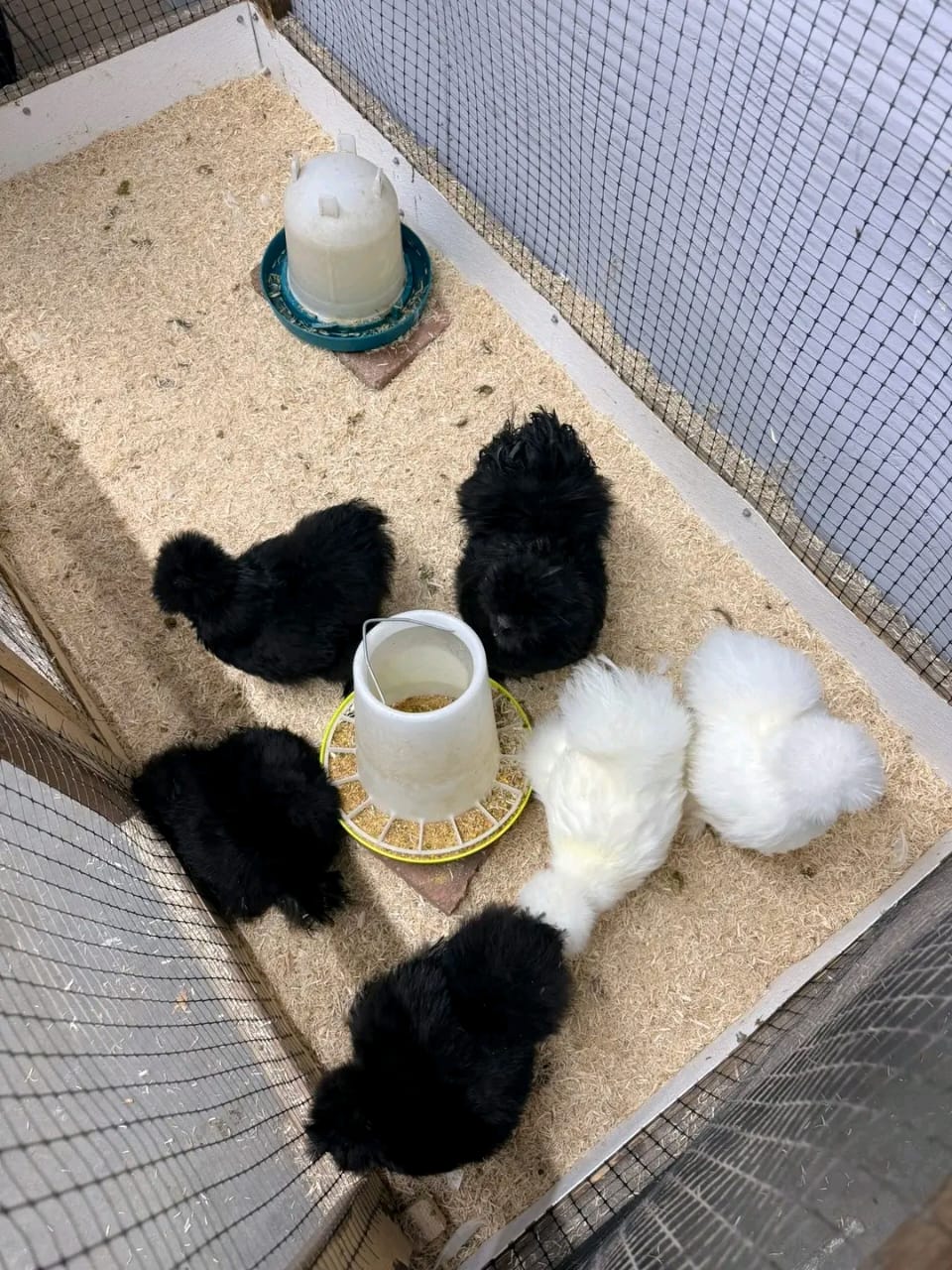
- White: A pristine, snowy look driven by recessive white genes. This remains the most popular color for exhibition.
- Black: A solid, glossy beetle-green sheen over jet-black down.
- Buff: A rich, even golden-apricot color throughout the body.
- Partridge: A complex, multi-penciled camouflaged pattern that showcases classic wild-type poultry genetics.
Section 3: Advanced Sexing Protocol — Silkie Rooster vs. Hen
Determining the gender of a juvenile Silkie—commonly searched as how to sex silkies chickens—is widely considered one of the toughest challenges in animal husbandry. Because they lack standard flat feathers, traditional auto-sexing methods are impossible at hatch.
                       SILKIE DEVELOPMENT TIMELINE

  0-8 Weeks       8-12 Weeks        12-16 Weeks      16-24 Weeks      28+ Weeks
  ───────────► ─────────────────► ──────────────► ──────────────► ─────────────►
  Identical    Comb base widens   "Streamers"     First Crowing    First Cream
  Chicks       on young males     appear on boys  from cockerels   Egg Dropped
To accurately distinguish a silkie rooster from a hen, you need to watch for specific physical indicators that emerge between 10 and 24 weeks of age.
How to Identify a Silkie Rooster
If you are trying to figure out how to tell if a silkie is a rooster, look closely for these four primary male markers:
- Crest “Streamers”: As a male approaches 12 to 14 weeks, his crest feathers will grow backwards. He will develop long, distinct, thin tendrils that extend past the main body of the crest. These are called “streamers.”
- Horizontal Comb Development: A cockerel’s walnut comb will grow significantly wider across his beak. If you look closely, you will see a bumpy, horizontal split texture that develops long before a female shows any comb growth.
- Vocalizations: Do silkie roosters crow? Yes, absolutely. When do silkie roosters start crowing? Most cockerels will find their voice between 16 to 24 weeks of age. Their early attempts can sound raspy or unusual compared to standard roosters.
- Spur Development: While it can take up to a full year to mature, roosters will grow sharp, bony spurs on the inside of their lower shanks.
How to Identify a Silkie Hen
When looking at what does a silkie hen look like, her physical traits are much rounder and more compact:
- The “Powder Puff” Crest: A female’s crest grows in a uniform, round, globe-like shape. It looks like a dense pom-pom or a soft powder puff, completely free of any long, trailing streamers.
- Hidden Comb: A hen’s walnut comb grows incredibly slowly. It remains thin, flat, and almost entirely hidden beneath her thick front crest feathers throughout her entire life.
- Egg Production Metrics: How often do silkies lay eggs? A mature hen will typically lay 2 to 3 eggs per week, totaling about 100 to 120 small, cream-colored eggs a year. They usually drop their first egg around 7 to 9 months of age.
Section 4: Behavioral Science, Lifespan, and Management
Silkies are not just unique to look at; their behavior is fundamentally different from most other domestic poultry. They are exceptionally docile, gentle, and easily handled. If you are wondering are silkie chickens friendly, they are widely considered the friendliest breed in the poultry world. This calm nature makes them excellent choices for families with young children or as therapy animals.
How Long Do Silkies Live?
On a well-managed homestead with high-quality biosecurity, a silkie chicken lifespan averages between 7 to 9 years. In low-stress environments with premium nutrition, some hardy heritage hens can easily reach up to 12 years.
Flight Restrictions and Enclosure Design
Because do silkie chickens fly is answered by a firm no, you must design your coop to match their physical limitations:
- Low-Altitude Roosting: Silkies cannot jump up to high roosting bars. If you put your perches 3 feet off the ground, your Silkies will pile up on the floor in a corner, leaving them vulnerable to dampness and pests. Build your roosts no higher than 12 inches off the floor, or install a wide, solid ramp with excellent grip steps.
- Fencing Boundaries: You don’t need tall, expensive 6-foot fencing to keep them contained. A simple 3-to-4-foot perimeter fence will keep them safely inside their run. However, your main focus should be on keeping predators out, as these flightless birds cannot fly up into trees to escape danger.
Environmental Resilience: The Science of Cold Hardiness
A common question among cold-climate keepers is are silkie chickens cold hardy or are silkies cold hardy?
Because of their thick, downy plumage, they are actually excellent at trapping body heat and staying warm during freezing weather. However, they have one major vulnerability: they are absolutely not waterproof.
Critical Safety Rule: Standard chickens have flat, slick feathers that shed rain and keep their undercoat dry. A Silkie’s open-set feathers absorb water like a sponge. If a Silkie gets wet in cold weather, its wet down will press right against its skin, causing its core body temperature to drop within minutes. This can lead to fatal hypothermia. Your run must be fully covered and protected from wind and rain to keep them completely dry.
Section 5: Step-by-Step Biosecurity & Care Protocols
Managing a healthy flock of Silkies requires specific care steps that are different from standard chicken management.
1.Mechanical Crest Assessment:Performed Monthly.
Check their large head crests to see if they are blocking their vision. If a Silkie cannot see, it will easily become startled, bullied by other birds, or caught by predators. Carefully trim the feathers directly around their eyes using round-tipped grooming shears, or hold the fluff back gently with a soft hair tie.
2.Foot and Shank Inspections:Performed Bi-Weekly.
Because their legs and outer toes are covered in dense feathers, they easily collect mud, damp litter, and droppings. This can lead to a painful skin infection called pododermatitis (bumblefoot) or attract scaly leg mites. Gently wash their feet in warm water, dry them thoroughly with a towel, and inspect all five toes for any signs of swelling or dark scabs.
3.Coop Ventilation and Moisture Control:Continuous Management.
Keep your coop completely clean and dry. Use a thick layer of premium, dust-free wood shavings or chopped straw to absorb moisture. Make sure your coop has excellent ventilation up high near the roofline to clear out ammonia gases, while keeping the floor area free of cold drafts.
Biosecurity and Disease Management
Silkies are particularly vulnerable to Marek’s Disease, a highly contagious viral disease that affects the nervous system and causes paralysis. There is no cure for Marek’s once a bird is infected. The absolute best way to protect your flock is to ensure all day-old chicks are vaccinated immediately at hatch before they travel to your homestead.
Optimal Feeding Routines
What do silkies eat? They thrive on a premium, balanced commercial diet.
- Chicks (0-8 Weeks): Feed a 20% protein medicated or non-medicated chick starter crumble.
- Adults (20+ Weeks): Provide a high-quality 16% protein layer crumble.
- Note on Feed Form: Avoid feeding large, hard pellets. Because Silkies have small, delicate beaks and compact anatomy, they struggle to break down large pellets, which can lead to reduced feed intake or crop impaction.
Smart Buyer’s Guide: Where to Find Healthy Birds
When you are ready to bring these wonderful birds to your farm, it’s vital to choose a reliable source. Avoid buying from unverified auctions or mass commercial hatcheries that don’t select for robust health and correct breed traits.
If you are looking for healthy, vibrant, and responsibly bred day-old chicks or started pullets, explore our heritage lines at Grassfield Homestead. Every single bird is selected for excellent breed standards, friendly temperaments, and strong health.
                        SILKIE PURITY ASSESSMENT

  [ ] Exactly 5 toes per foot       [ ] Jet-black skin & internal tissue
  [ ] Metallic turquoise earlobes  [ ] Low, wide walnut-shaped comb
  [ ] Flightless, downy plumage    [ ] Gentle, easy-to-handle nature
Frequently Asked Questions
What are silkies used for on a modern homestead?
While they aren’t champion egg layers, Silkies are highly valued as natural, live incubators. Their maternal instinct is incredibly strong. A broody Silkie hen will happily sit on and hatch duck eggs, goose eggs, pheasant eggs, or other chicken eggs without a second thought. In many traditional culinary styles, they are also raised for their nutrient-rich, deeply flavorful black meat.
Does Tractor Supply sell silkies or silkie chickens?
Yes, does tractor supply sell silkies is true during their seasonal spring and autumn “Chick Days” events. However, these are almost always sold as “straight run” (completely unsexed). This means there is a 50% chance your new chicks will grow into roosters, which can be difficult if your local area has strict noise rules against crowing birds.
Can a silkie rooster breed with standard larger chicken breeds?
Yes, absolutely. A Silkie rooster can successfully breed with larger hens (such as Australorps, Orpingtons, or Wyandottes). The mixed-breed chicks they produce will usually display a mix of traits, such as carrying four or five toes, showing dark or semi-pigmented skin, and growing unique, semi-fluffy feathering.
For detailed information on historical breed standards, upcoming poultry shows, and official health guidelines, check out the resources provided by the United States Department of Agriculture (USDA) Animal and Plant Health Inspection Service.
Newsletter Updates
Enter your email address below and subscribe to our newsletter