
For homesteaders and backyard poultry enthusiasts, the silkie chicken is primarily celebrated for its fluffy appearance and sweet temperament. However, when it comes to silkie chicken eggs, there is a massive amount of conflicting information online.
Do they lay green eggs? How small is a standard silky egg? Why do silkie hens laying eggs suddenly stop for months at a time?
Whether you are keeping a backyard flock for a steady supply of fresh silky chicken eggs or preparing to begin incubating silkie eggs for a new generation of chicks, this operational guide separates myth from reality. Let’s dive straight into the honest metrics of silkie chickens egg production.
Section 1: Demystifying Silkie Chicken Egg Color & Appearance
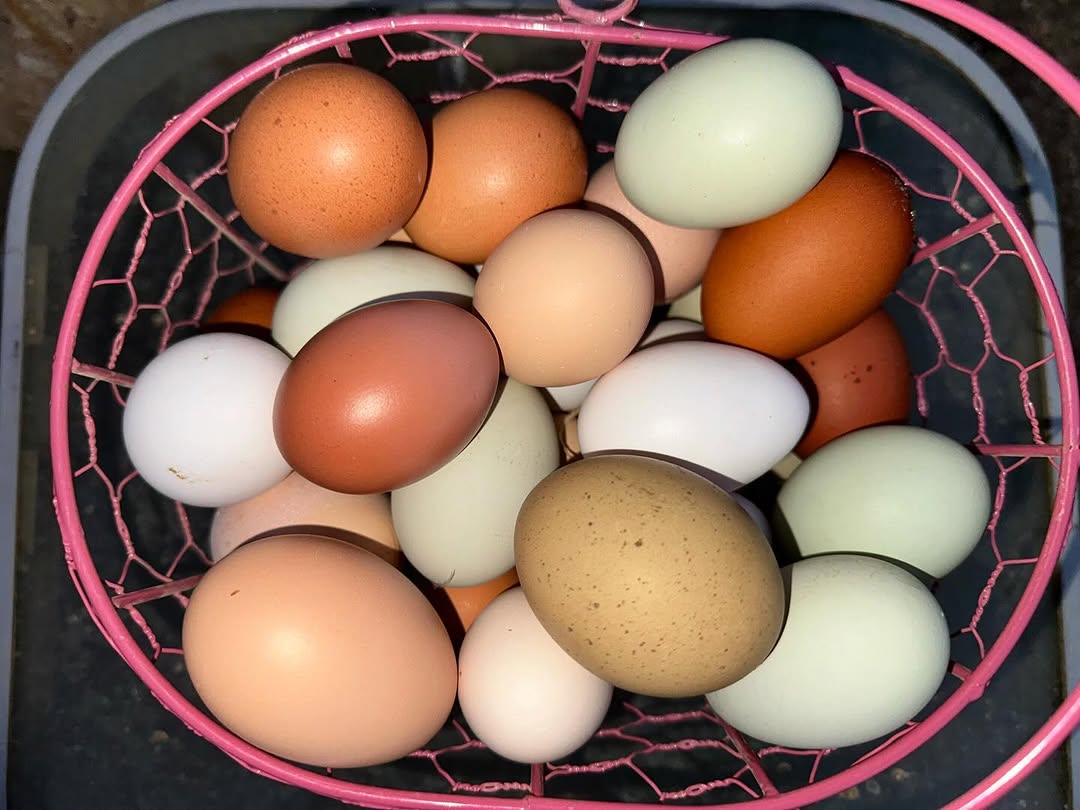
The single biggest misconception floating around the poultry community is the true silkie chicken egg color. Thanks to highly edited social media trends showing rainbow-colored egg baskets, many beginners believe that a silky fancy chicken produces bright green, blue, or deep chocolate eggs.
What Color Eggs Do Silkies Lay?
In reality, purebred silkie chickens lay eggs that range from cream to warm ivory or light tinted white.
If a bird looks like a Silkie but lays a green or blue egg, it is not a purebred. It is a designer crossbreed—often called an “Easter Egger” variant—resulting from crossing a Silkie with an Araucana, Ameraucana, or Cream Legbar line.
What Do Silkie Eggs Look Like? (Size & Structure)
Because the vast majority of Silkies are genetically classified as bantams in North America and Europe, silkie bantam eggs are significantly smaller than the standard factory-farmed eggs you find at the grocery store.
- Silkies Egg Size: Roughly half to two-thirds the size of a standard grade-A large chicken egg. They average between 35 to 40 grams per egg.
- The “Egg Silky” Shape: They often exhibit a slightly rounder, more teardrop-shaped profile compared to the elongated oval shape of industrial production eggs.
- Yolk-to-White Ratio: Silkies boast an exceptionally large, deep-orange yolk relative to a smaller amount of white (albumen). This high yolk ratio makes silky eggs incredibly rich, flavorful, and highly prized by pastry chefs for baking.
Section 2: Reality Check: How Many Eggs Do Silkies Lay?
If your absolute top priority is high-volume egg production for a commercial enterprise, a standard silkie bantam chicken is not the right fit. However, if you appreciate steady, small-scale homestead production alongside a family-friendly pet, understanding silkie egg laying schedules will help you set realistic expectations.
Honest Production Metrics
Let’s look closely at the realistic annual numbers for a healthy hen:
| Timeframe | Average Silkies Egg Laying Yield |
| Weekly Yield | 2 to 3 eggs per individual hen |
| Monthly Yield | 8 to 12 eggs per individual hen |
| Annual Production | 100 to 120 eggs per year (under optimal conditions) |
When people ask how many eggs do silkies lay a year, the answer varies depending on climate, light availability, and genetic lines. Some robust “show-quality” lines may drop to 80 eggs per year, while well-managed backyard strains can hit up to 140.
When Do Silkie Chickens Lay Eggs? (Age & Seasonal Timelines)
- Onset of Laying: When do silkie hens lay eggs for the first time? Generally, a young female (pullet) will drop her first silkie egg between 7 to 9 months of age. This is notably slower than production breeds like Rhode Island Reds, which regularly begin laying at 5 months.
- Seasonal Delays: Silkies are highly sensitive to daylight cycles. During late autumn and winter, their laying will drop significantly or stop completely unless supplemental coop lighting is safely introduced.
Section 3: The Broody Bottleneck: Why Production Stops
You cannot discuss how often do silkies lay eggs without addressing their world-famous trait: extreme broodiness.
A broody hen is one whose maternal instincts have kicked into overdrive, prompting her to sit constantly on a clutch of eggs to hatch them. While a standard production hen has had this instinct bred out of her, a Silkie hen embraces it fully.
                  THE BROODY PRODUCTION HALT CYCLE

   Hen Lays 10-12 Eggs ──► Maternal Instinct Triggers ──► Hen Goes Fully Broody
                                                                 │
   Laying Stops Completely ◄── Hormones Shift Gears ◄── Sits on Nest Day & Night
The moment a hen goes broody, her reproductive system shifts gears, and egg production drops to zero. She will remain tightly parked on her nest box for a minimum of 21 days (the incubation period for a chicken egg), surviving on minimal food and water.
Even if you routinely collect the silkie eggs daily to keep the nest bare, a stubborn hen will happily sit on golf balls, wooden decoy eggs, or even an empty corner of the coop floor. This intense broody cycle is the main reason why their annual numbers stay around 100 eggs per year.
Section 4: Step-by-Step Guide to Incubating Silkie Eggs
Because they are such wonderful natural mothers, many keepers prefer to let a broody hen hatch her own silkie chicks. However, if you are managing a controlled breeding pipeline, using an artificial incubator gives you total control over humidity, temperature, and turning schedules.
To get high-quality hatching eggs or premium supplies to start your own backyard flock, explore the options available at Grassfield Homestead.
The Precision Incubation Schedule
To maximize your hatch rates, follow this precise operational sequence:
1.Egg Selection & Storage:Day 0.
Collect clean, properly shaped eggs. Store them pointed-end down at 55–65°F (12–18°C) with 70% humidity for no more than 7 days before setting them. Never wash hatching eggs, as this removes the protective antimicrobial bloom.
2.The Setting Phase:Days 1 to 18.
Set incubator temperature to a steady 99.5°F (37.5°C) for forced-air models. Maintain relative humidity at 45% to 50%. Ensure eggs are rotated automatically or turned by hand a minimum of 3 to 5 times per day.
3.Candling Milestone:Day 7 & Day 14.
Use a bright LED candling light in a dark room to check embryo development. Refer to a standard silkie egg candling chart to identify clear signs of life (like healthy spider-web blood vessels) and safely discard any infertile eggs (“clears”) to prevent contamination.
4.The Lockdown Phase:Days 19 to 21.
Stop all egg turning completely on Day 19. Boost incubator humidity up to 65% to 70% to prevent the delicate internal membranes from drying out and trapping the chick. Do not open the incubator lid during this critical phase.
Section 5: Troubleshooting Silkie Egg Production Issues
If your silkie lay eggs routine suddenly drops unexpectedly outside of normal winter breaks or broody cycles, check through this diagnostic checklist to find the root cause:
1. Nest Box Privacy and Setup
Silkies prefer their nesting areas low to the ground and well-hidden. Because they cannot fly up to high-mounted nest boxes, provide ground-level boxes lined with a thick, clean layer of straw or pine shavings. A messy or hard-to-reach nest box will quickly cause them to hide their eggs out in the yard instead.
2. Dietary Calcium and Protein Needs
Because a silkie chick grows quite slowly, maintaining proper nutrition into adulthood is key. If their shells start feeling thin or soft, offer a free-choice dish of crushed oyster shells alongside a high-quality 16% to 18% protein layer crumble.
3. Safe Transitions to the Outdoors
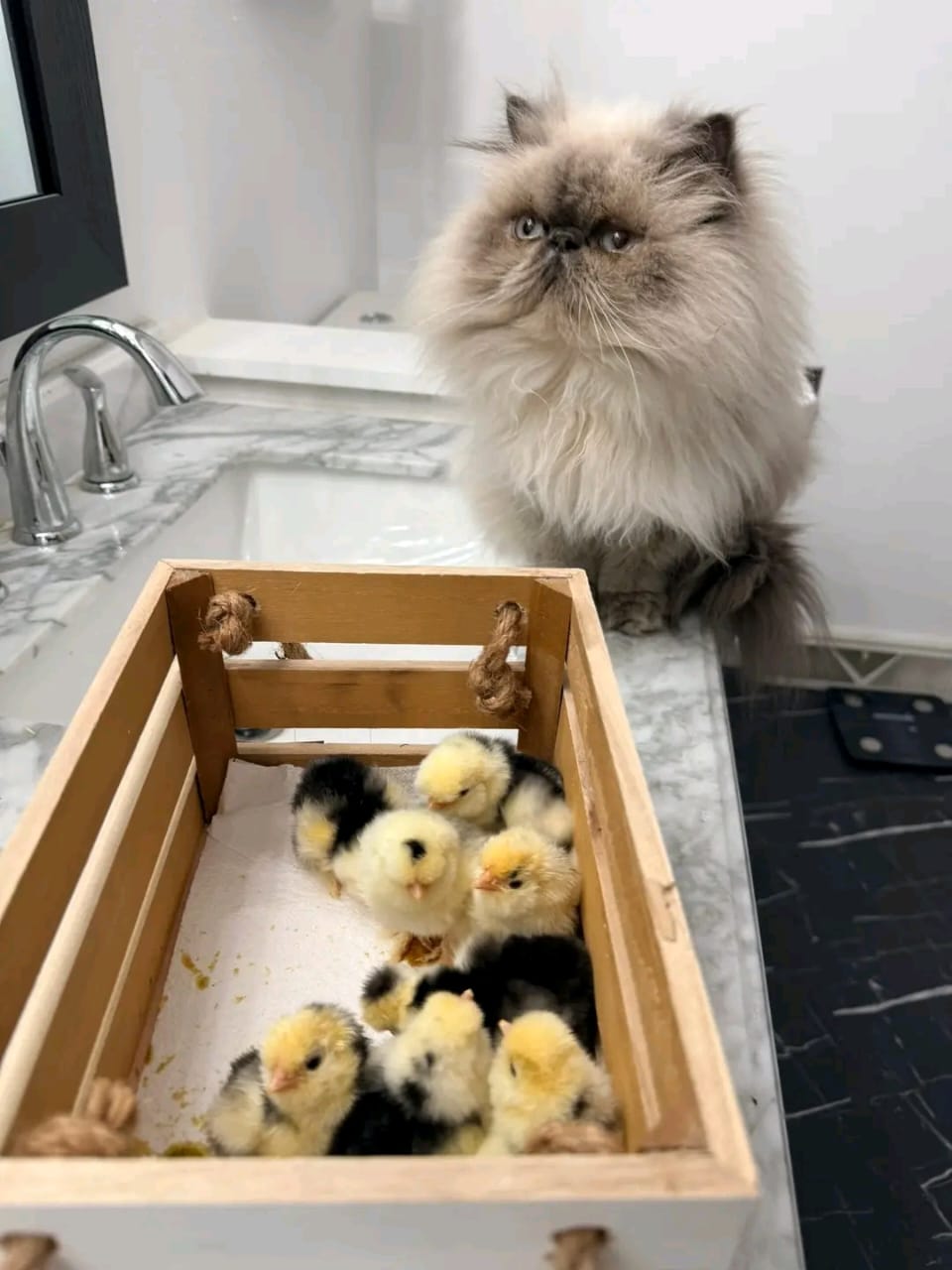
When managing a growing flock of young silkie chicks 4 weeks old, keep them protected in a warm, dry brooder. When can silkie chicks go outside safely? Wait until they are at least 8 weeks old, fully feathered, and the outdoor weather is reliably warm and dry.
Optimizing Your Homestead Flock
While they may not produce the massive volume of standard commercial layers, the unique charm, rich flavor, and outstanding hatching qualities of silkie chicken eggs make them a incredibly rewarding addition to any backyard homestead.
To explore premium, responsibly raised bloodlines, rare color varieties, and expert brooding advice, visit our selection at the Grassfield Homestead Poultry Portal.
Frequently Asked Questions
Are silkie chicken eggs safe to eat?
Yes, absolutely! They are completely safe, highly nutritious, and delicious. They can be boiled, fried, poached, or scrambled just like a standard chicken egg. Because of their rich yolk-to-white ratio, they are an absolute favorite for high-end baking.
Why are my silkie chicken eggs consistently infertile?
If you are running a breeding program and noticing poor fertility rates, the issue is often physical. The dense, fluffy feathers around the rooster’s and hen’s vent can sometimes mechanically block a clean mating connection. Carefully trimming the fluff around the vent area with grooming shears can significantly improve your fertility rates.
How long can a silkie egg sit in the nest before it goes bad?
For eating purposes, try to collect them daily. Clean, unwashed eggs with the natural bloom still intact can sit safely on a cool kitchen counter for up to two weeks, or in the refrigerator for up to three months.
Quick Reference Summary
- Egg Color: Authentic cream, beige, or soft off-white hues (never blue or green).
- Egg Volume: Expect an average of 100 to 120 small bantam-sized eggs per year.
- Incubation Period: Exactly 21 days under steady 99.5°F conditions.
- Laying Schedule: Hens naturally pause production during winter weather and broody cycles.
To learn more about standard bantam classifications, flock health management, and national poultry exhibition standards, check out the educational guides over at the American Poultry Association (APA).
Newsletter Updates
Enter your email address below and subscribe to our newsletter