
The Master Guide to Silkie Chicken Eggs, Sexing, and Genetics: Backyard Flock Secrets
The absolute explosion in the popularity of backyard poultry over recent years has turned ordinary home gardens into rich, self-sustaining micro-homesteads. Yet, out of the hundreds of domestic poultry breeds available across the globe, one consistently dominates search engine traffic and local community forums alike: the unforgettable Silkie chicken.
While general hobbyists often view them as simple novelty pets, serious poultry keepers know that managing these birds successfully requires a firm grasp on specialized husbandry. From understanding the true reality of silkie chicken egg production to mastering the incredibly frustrating art of how to tell a silkie hen from a rooster, this master guide leaves no stone unturned.
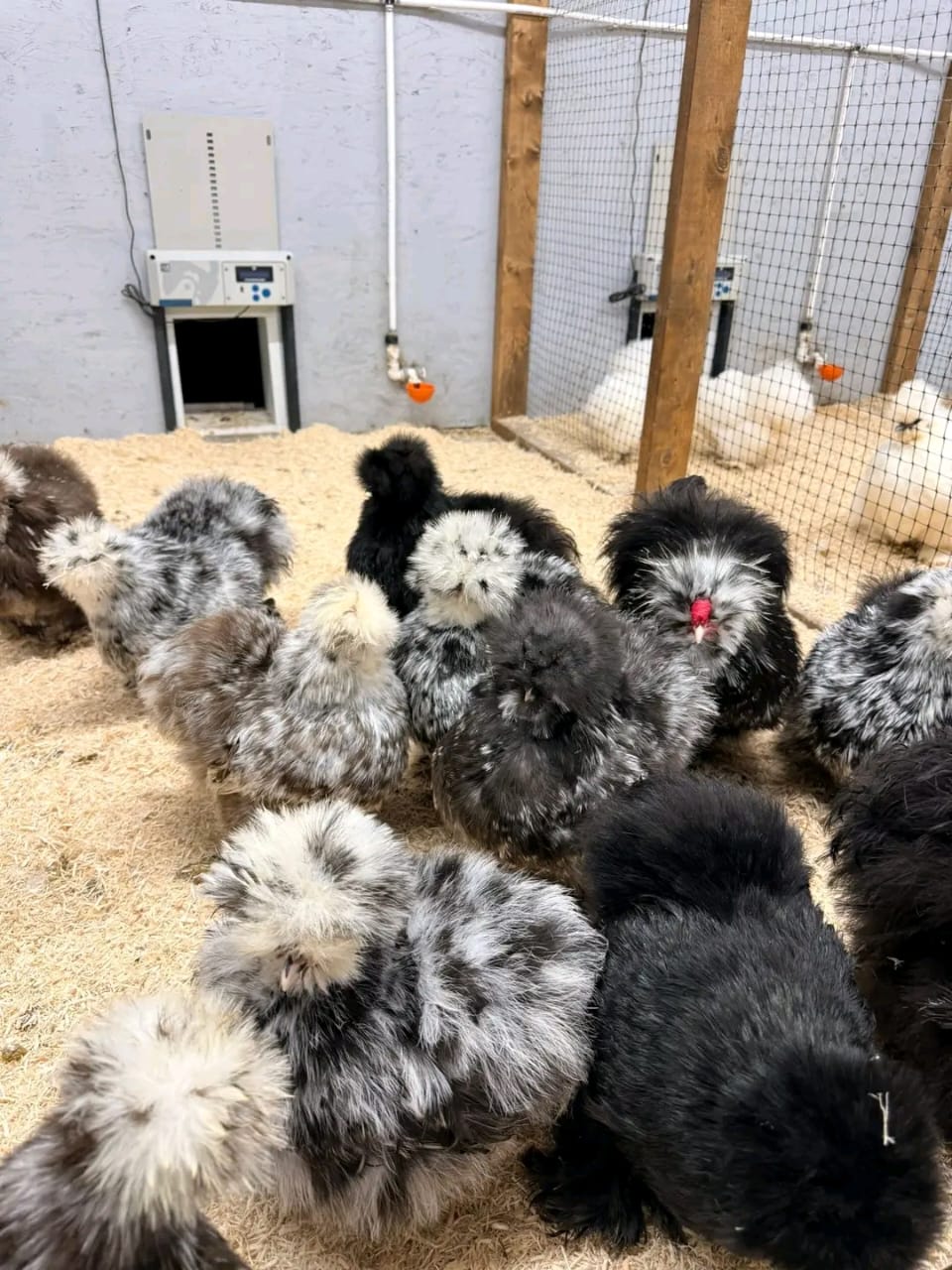
If you are looking to source genetically sound, vibrant birds from a heritage-focused breeder, Grassfield Homestead offers selectively paired, premium stock designed to elevate your backyard flock. Let’s delve into the advanced genetics, laying realities, and care protocols that define this legendary breed.
Part 1: The Truth About Silkie Chicken Egg Production
One of the most persistent myths circulating on the internet is that ornamental bantam breeds are completely useless when it comes to the nesting box. While a Silkie will certainly never out-perform an industrial hybrid like an ISA Brown or a Production Red, they still offer reliable, high-quality nutrition for the family table.
Egg Output, Size, and Color Breakdown
When establishing your flock expectations, it helps to look closely at the data. A healthy, well-nourished Silkie hen in her prime will lay an average of 100 to 120 eggs per calendar year. These eggs are classified as bantam-sized, meaning they are roughly half to two-thirds the size of a standard USDA large supermarket egg.
When baking or cooking with Silkie eggs, a good rule of thumb is to use a 2:1 ratio (two bantam eggs for every one standard large egg required by your recipe).
| Metric Category | Standard Performance Profile |
| Annual Yield | 100 – 120 eggs per hen |
| Weekly Frequency | 2 to 3 eggs per week (variable by season) |
| Egg Shell Color | Cream, ivory, tinted, or very light tan |
| Egg Weight Range | 30 to 35 grams on average |
| Yolk-to-White Ratio | Exceptionally high yolk mass compared to albumen |
The High Yolk-to-White Ratio Phenomenon
Foodies and homestead chefs frequently note that bantam eggs taste richer and more decadent than commercial eggs. This is not just a psychological bias; it is a proven biological trait. Bantam breeds, particularly Silkies, produce eggs with a significantly higher proportion of yolk relative to the egg white (albumen). Because the yolk holds the vast majority of the egg’s healthy fats, vitamins, and fat-soluble nutrients, these tiny eggs deliver an incredibly creamy texture and deep golden color, making them highly prized for gourmet baking, custards, and homemade pastries.
Nutritional Profiles and Culinary Value
Despite their compact size, eggs collected from pasture-raised Silkies at locations like Grassfield Homestead are nutrient-dense powerhouses. When allowed to forage on fresh grasses, clover, dandelions, and moving insects, these hens pack their high-yolk eggs with elevated levels of Omega-3 fatty acids, Vitamin A, and Vitamin E, while showing drastically lower cholesterol levels compared to factory-farmed cage eggs.
Part 2: The Broodiness Cycle – A Living Incubator
To fully comprehend why silkie chicken egg laying stops periodically, one must address the defining psychological trait of the breed: intense, unyielding broodiness.
The Hormonal Shift of a Broody Hen
Broodiness is an evolutionary survival mechanism driven by the hormone prolactin, produced by the hen’s pituitary gland. In most modern industrial chicken breeds, this genetic trait has been completely selected out through generations of intensive laboratory breeding to keep egg assembly lines running indefinitely. In Silkies, the natural maternal drive remains completely untouched.
Once a Silkie hen accumulates what she perceives to be a full clutch of eggs (or even just a single fake ceramic egg left in the box), her hormonal switch flips. She will stop laying eggs completely, pluck the protective down feathers from her breast to allow her bare skin to transfer direct body heat to the shells, and sit on the nest for 21 consecutive days and nights.
Managing and Breaking the Broody Cycle
While having a natural, living incubator on the farm is fantastic for replenishment, it can become a health hazard if left unchecked. A broody hen will only leave her nest once a day to eat a tiny amount of feed, drink a small sip of water, and relieve herself. If she sits endlessly on infertile eggs, she will quickly lose muscle mass, drop weight, and become highly susceptible to external parasites like northern fowl mites.
If you do not want your hen to hatch a clutch, you must “break” her broodiness promptly. The most humane and efficient method involves placing the hen into a wire-bottomed dog crate elevated off the ground for 3 to 4 days. This setup, often called a “broody jail,” allows cool air to circulate beneath her abdomen, lowering her core body temperature and successfully resetting her hormone levels so she can safely return to the regular flock and resume laying.
Part 3: The Ultimate Puzzle – How to Tell a Silkie Hen from a Rooster
If you spend any time browsing online poultry communities, you will find thousands of desperate posts asking the exact same question: Is my Silkie a pullet or a cockerel?
Because Silkies are an ancient bantam breed with heavily delayed sexual dimorphism (developing physical gender differences very late in their growth cycle), accurate sexing is arguably the most difficult challenge in modern poultry management. At Grassfield Homestead, we always advise customers that unless a bird is DNA sexed or past 5 months of age, any definitive gender declaration is simply an educated guess.
To help you decode your growing birds, let’s break down the definitive markers of adult development.
1. Crest Shape and Structure
- The Hen (Pullet): A female Silkie’s crest is perfectly round, smooth, and cohesive. It resembles a clean, spherical pom-pom or a solid scoop of ice cream. The feathers grow uniformly backwards and outwards, creating a tight shield.
- The Rooster (Cockerel): A male’s crest is looser, swept-back, and jagged. Look closely for what breeders call “streamers”—longer, pointed, rigid structural feathers that break out from the back of the fluffy crest, shooting past the nape of the neck like a wild, slicked-back hairstyle.
2. Comb Development: The Walnut Pattern
Unlike standard breeds that sport serrated, upright single combs, purebred Silkies possess a unique, fleshy structure known as a walnut comb (sometimes referred to as a cushion comb).
- The Hen: The comb remains tiny, completely flat, and hidden deep beneath her front crest feathers. You often cannot feel it without physically parting the fluff with your fingers.
- The Rooster: By 10 to 16 weeks of age, a cockerel’s walnut comb begins to widen and swell. It develops horizontal wrinkles and rifts, mimicking the texture of an actual walnut shell. The comb will push up and out, frequently forcing the front crest feathers to split down the center.
3. Body Posture, Behavior, and Wattles
Roosters carry themselves with an aggressive, upright, regal posture. They stand tall on their heavily feathered legs, holding their tails at a sharp upward angle, whereas hens maintain a low, horizontal, oval body profile that hugs the ground.
Furthermore, roosters will begin growing prominent, dark purplish-black wattles beneath their beaks far earlier than females. Behaviorally, young cockerels will demonstrate early dominance by “tidbitting”—dropping food pieces and making high-pitched clucking sounds to call hens over—long before they ever attempt their very first morning crow.
Part 4: Decoding Silkie Genetics and Breed Varieties
To achieve success when searching for top-tier silkie chickens for sale online, a foundational understanding of the complex genetics that govern this breed is highly beneficial. True, show-quality birds are the result of meticulous adherence to the strict breeding frameworks established by elite poultry associations.
The Genetics of Feather Softness
The distinct look of the Silkie is governed by an autosomal recessive gene known simple as h. This specific gene prevents the development of the microscopic interlocking hooklets (barbicels) that hold standard bird feathers together.
Because it is a recessive gene, if you cross a purebred Silkie with a standard-feathered chicken (such as a backyard Easter Egger or a Cochin), 100% of the first-generation ($F_1$) offspring will inherit one copy of the normal feather gene and will grow completely smooth, standard feathers. They are known as “Silkie-feathered carriers.” Only when those carriers are bred back to a purebred Silkie will the iconic fur-like plumage reappear in a portion of the chicks.
Rare and Emerging Color Genetics
While standard white and solid black birds remain timeless favorites, modern preservation programs have unlocked breathtaking color patterns that are taking the livestock exhibition world by storm:
- Lavender Silkies (Self-Blue): Driven by a rare, recessive color dilution gene, lavender birds sport a uniform, ethereal, silver-gray shade across their entire bodies. Unlike standard blue birds, lavender breeds completely true, meaning a lavender pair will always yield 100% lavender chicks.
- Porcelain and Calico Projects: Highly complex breeding initiatives that combine lavender, buff, and mottled genetics to create birds with pastel-cream bases tipped in soft slate gray and white pearl dots.
- Sizzle Chickens: A fascinating, highly sought-after project cross. A Sizzle is produced by breeding a Silkie with a Frizzle chicken. The result is a bird that retains the five toes, black skin, and docile nature of the Silkie, but possesses curled, structured feathers that twist outward like crisp wood shavings.
Part 5: Seasonal Management for Fluffy Poultry
Because their specialized feathers lack windproofing and water-resistance, Silkies require dedicated environmental interventions to thrive through extreme weather transitions.
Keeping Silkies Safe in Harsh Winters
While their dense, downy feathers act like an incredibly warm winter coat, their vulnerability lies in their extremities.
- Comb Protection: In freezing climates, a rooster’s large walnut comb can easily develop frostbite if moisture accumulates inside the coop overnight. Ensure your coop features excellent high-level ventilation to exhaust humid air while maintaining zero drafts down at ground level.
- Foot Feather Care: The heavy feathering on a Silkie’s shanks and toes acts like a broom, catching snow and slush. If this wet mixture freezes into solid ice balls on their toes, it can restrict blood flow and cause severe tissue damage. Keep their winter runs packed with dry straw, wood chips, or coarse construction sand to keep their feet off the frozen ground.
Heat Wave Survival Protocols
Due to their massive insulation layer, Silkies can suffer from heat stress far faster than sleek, large-combed Mediterranean breeds like Leghorns. When summer temperatures climb past 85°F, implement these critical farm safety protocols:
1.Establish deep shade sanctuaries:Morning Setup.
Ensure your flock has access to zero-sunlight zones underneath natural tree canopies, tarps, or elevated coop structures. Airflow must be maintained across these zones.
2.Deploy ice water stations:Midday Intervention.
Replace standard drinking water with ice-filled dishes twice daily. Drop fresh cucumber slices, watermelon rinds, or frozen berries into the water bowls to encourage continuous hydration.
3.Create electrolyte soil wallows:Afternoon Maintenance.
Wet down a shady corner of their dust-bathing area with cool water. Silkies will dig down into the damp earth, pressing their bare black skin against the cool mud to rapidly dump internal core body heat.
Part 6: Comprehensive Silkie Chicken Health and Disease Mitigation
Maintaining a vibrant backyard flock means being proactive about biosecurity and common poultry ailments. Because of their dense down and unique crests, Silkies are highly susceptible to a few specific medical issues.
1. External Parasites: Mites and Lice
Because of the heavy, compact feather masses surrounding their vents, crests, and legs, external parasites find Silkies to be an absolute paradise. The northern fowl mite (Ornithonyssus sylviarum) and the common chicken louse (Menacanthus stramineus) can quickly multiply unnoticed beneath the dense fluff, leading to anemia, egg-laying drops, and extreme stress.
Examine your birds monthly by parting the feathers at the base of the vent and directly behind the head crest. Look for tiny, moving red or brown specks, or clusters of white, cement-like egg masses glued to the base of the feather shafts. Treat infestations promptly using poultry-safe permethrin dust or all-natural diatomaceous earth in their dust-bathing stations.
2. Vaulted Skulls and Head Trauma
A significant percentage of high-quality show Silkies are born with an anatomical feature known as a vaulted skull. This occurs when the frontal bones of the skull expand outward into a prominent, fluid-filled bony dome during embryonic development inside the egg shell. This structural dome is what allows the adult bird to grow such a massive, stunning feather topknot.
However, a vaulted skull means the bird’s brain sits higher up and is protected by a much thinner layer of bone than a standard chicken. As a result, Silkie chicks and adults are incredibly sensitive to head injuries. A hard peck from a dominant flockmate or a sudden bump against a low coop doorway can induce a neurological condition known as “wry neck” (torticollis), where the bird loses control of its neck muscles, causing its head to twist upside down or tuck between its legs.
Prevent this by ensuring your flock is kept only with other gentle bantam breeds and by keeping your coop infrastructure completely free of sharp edges or low, hazardous clearances.
Part 7: Frequently Asked Questions – Advanced Silkie Care
To provide absolute clarity for homesteaders managing these birds, here are the expert-level answers to highly searched technical queries across Google and major poultry extensions.
Why are my Silkie chicks losing feathers behind their neck?
This is a classic sign of juvenile molting or flock pecking order development. Between 8 to 12 weeks of age, chicks shed their primary down to make room for their dense adult plumage. However, if the skin looks raw or red, inspect the flock closely for bullying. Because Silkies have limited peripheral vision due to their crests, dominant birds from other breeds can easily sneak up and pick at their soft neck feathers.
What is the average lifespan of an exhibition Silkie?
When protected from ground and aerial predators within a structurally sound coop and provided with consistent, high-protein nutrition, a Silkie chicken routinely lives for 7 to 9 years. Some exceptional indoor pets have even been documented reaching 12 to 15 years of age.
Can you wash a Silkie chicken with standard soap?
Absolutely not. You should never use harsh household detergents, dish soap, or standard human hair shampoos on live poultry. These soaps strip the natural oils (sebum) from their skin and feathers, leading to severe dermatological dryness, flaking, and a permanent loss of insulation capability. If grooming is required for a poultry exhibition, use a formulated specialty livestock wash or an ultra-mild, tear-free organic baby shampoo, followed by a meticulous, low-heat blow-dry session.
Do Silkie chickens need special perches?
Yes. Standard chickens love to roost on high branches or 2×4 boards set 4 to 6 feet in the air to escape ground predators overnight. Because Silkies cannot fly, attempting to scale high roosts can lead to bumblefoot (staphylococcus foot infections) or fractured keel bones when they attempt to jump down in the morning. Keep roosts flat, wide, and low—ideally between 12 to 18 inches off the coop floor—and line the drop zone with a thick layer of soft pine shavings to absorb structural impacts.
Part 8: Essential Industry and Institutional Resources
To continue refining your poultry husbandry skills and to track emerging avian welfare standards, prioritize keeping up with major institutional and educational networks:
- Avian Biosecurity Standards: Keep your farm and homestead protected against migratory diseases by studying the official biosecurity toolkits managed by the USDA Animal and Plant Health Inspection Service.
- National Flock Diagnostics: To access affordable state-level necropsies, blood testing, and disease tracking, utilize the diagnostic resources provided by the National Poultry Improvement Plan (NPIP).
- Youth Poultry Development: For exceptional resources on introducing children to poultry management, showing, and animal husbandry, consult the foundational literature published by the National 4-H Council.
Elevate Your Backyard Homestead with Grassfield Homestead
Whether your goal is to harvest rich, nutrient-dense bantam eggs for your kitchen table, introduce a gentle, child-friendly pet to your family garden, or dive into the fascinating world of exhibition poultry breeding, the Silkie chicken is an unmatched choice. Their quirky anatomy, spectacular color variations, and endlessly affectionate temperaments make them an asset to any sustainable homestead.
Don’t leave the health and structural integrity of your future flock to chance with bulk-produced hatchery alternatives. Invest in birds that are bred with love, deep genetic insight, and absolute commitment to the preservation of the breed standard.
Visit our digital storefront at Grassfield Homestead today to explore our exclusive breeding lines, check our seasonal availability for hatching eggs and started pullets, and take the first step toward transforming your backyard into a fluffy, vibrant poultry paradise!
Newsletter Updates
Enter your email address below and subscribe to our newsletter