
Ultimate Guide to Australorp Hens for Sale: The World Record Egg Layers for Your Homestead
When it comes to building a highly productive, resilient, and friendly backyard poultry flock, few breeds can match the sheer performance of the Australorp. Revered by homesteaders and commercial poultry farmers alike as the “Olympic athletes” of the egg-laying world, Australorps are a true masterpiece of heritage poultry breeding.
If you have been scouring the internet looking for high-quality Australorp hens for sale, you already know that these striking, dark-feathered birds are in incredibly high demand. But what makes this breed so uniquely valuable to a modern homestead? How do they perform across varying climates, and how can you ensure you are buying genetically robust stock rather than poorly bred commercial variants?
At Grassfield Homestead, we specialize in preserving the finest characteristics of heritage poultry. In this definitive, 2,500+ word guide, we will break down the history, egg production metrics, temperament, and health profiles of Australorps, giving you everything you need to know before introducing them to your backyard.
Part 1: The Heritage and Origins of the Australorp
To understand why people hunt so selectively for Black Australorp hens for sale, it helps to explore the rich history behind their development. The name “Australorp” is a portmanteau of “Australian Black Orpington.”
The Australian Breeding Revolution
In the early 1900s, Australian poultry developers imported the structural Black Orpington breed from England. The original British Orpington was bred primarily as a heavy, dual-purpose meat bird with massive, loose feathering. However, Australian breeders had a different vision: they wanted an elite utility bird that could lay eggs relentlessly without burning out under the harsh, variable southern hemisphere sun.
Breeders selectively crossed these Orpingtons with other high-performance genetic lines, including Rhode Island Reds, Minorcas, White Leghorns, and Langshans. The result was a slightly more streamlined, incredibly active, and tightly feathered bird that prioritized structural health and intense egg output above all else.
By the 1920s, the breed swept international laying competitions, establishing its dominance and earning formal recognition across the globe.
Part 2: The Egg-Laying Phenomenon – Breaking Records
Let’s look at the numbers that make this breed legendary. The core reason homesteaders look for Australorp laying hens for sale is their unmatched production capacity.
The 364-Egg World Record
In the 1920s, a team of six Australorp hens set an official, audited world record in an Australian laying trial by producing an astonishing 1,857 eggs in 365 days. That averages out to 309.5 eggs per bird. Even more incredible, one individual hen within that trial laid 364 eggs in 365 days—all without the artificial supplemental lighting or modern chemical feed stimulants used in today’s industrial facilities.
What to Expect in a Backyard Setting
While your backyard birds may not hit a flawless 364-egg run, a well-cared-for heritage Australorp hen from a reputable breeder like Grassfield Homestead will comfortably produce between 250 to 300 large, light-brown eggs per year. This translates to roughly 5 to 6 eggs every single week per hen.
| Production Metric | Australorp Heritage Profile |
| Annual Egg Volume | 250 – 300 eggs per hen |
| Egg Size Category | Large to Extra-Large |
| Shell Pigmentation | Light brown, tan, or soft pinkish-brown |
| Laying Consistency | High winter production; highly resistant to cold-weather drops |
| Peak Production Span | 2 to 3 years before a gradual, natural decline |
Unlike flighty Mediterranean breeds like the White Leghorn, Australorps maintain high egg production while retaining a heavy body mass, making them an excellent dual-purpose choice if you want a self-sustaining homestead meat resource as well.
Part 3: Physical Characteristics and Color Varieties
When you search for local Australorp hens for sale, you will find that the breed standard recognizes a few distinct color variations, though one remains the undisputed icon of the breed.
1. The Classic Black Australorp
The vast majority of poultry keepers choose the Black Australorp. While their feathers are a deep, solid black, they possess a breathtaking genetic feature: an intense beetle-green iridescence. When these birds walk through open sunlight, their plumage flashes a brilliant, shimmering metallic green that is absolutely mesmerizing to behold. They feature dark, liquid-brown eyes, deep slate or black shanks, and striking white skin on the bottoms of their feet.
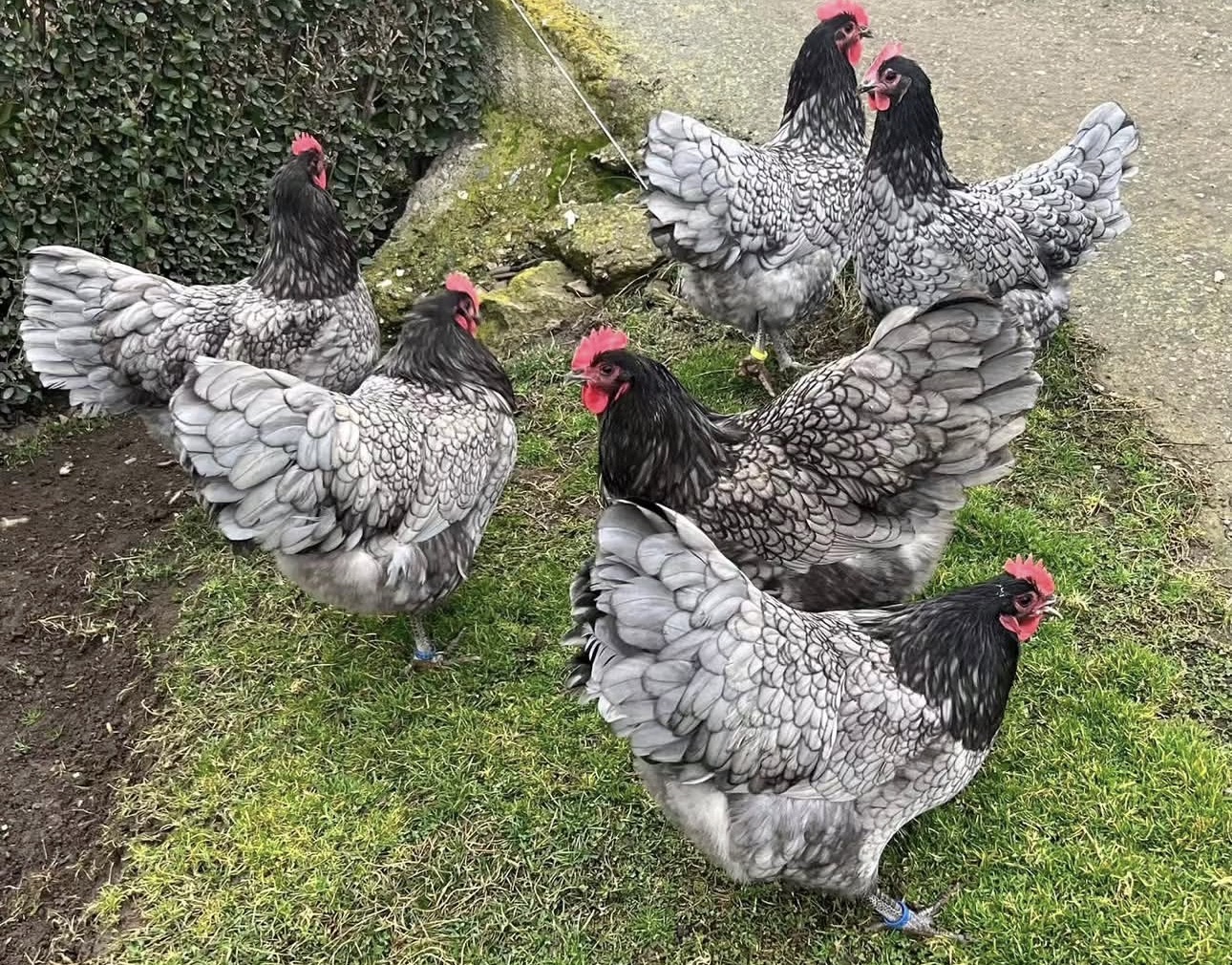
2. Blue and White Australorps
Though harder to find, dedicated preservation breeders also produce Blue and White varieties.
- Blue Australorps: These birds feature a stunning slate-blue or lavender-gray plumage, with each feather crisply laced in a darker charcoal border.
- White Australorps: A pure, snow-white bird that retains the exact same body shape, docile nature, and heavy laying capacity as its black-feathered sisters.
Physical Build and Weight Standards
Australorps are classified as a heavy breed. They possess a deep, broad breast, a straight back, and a high, well-rounded tail carriage that creates a balanced, robust silhouette.
- Standard Adult Cock (Rooster): 8.5 to 10 lbs
- Standard Adult Hen: 6.5 to 8 lbs
- Bantam Varieties: Sizable miniature versions also exist, with cocks weighing around 2.5 lbs and hens averaging 2 lbs.
Part 4: Temperament and Integration – The Sweet Giants
An often-overlooked factor when looking at heritage Australorp hens for sale is their incredible disposition. A high egg count means nothing if your flock is constantly stressed, flighty, or aggressive toward your family.
Child-Friendly and Calm
Australorps are famously sweet, gentle, and slow-moving. They are rarely startled by sudden movements, making them one of the absolute best breeds for families with young children or homesteaders who enjoy interacting closely with their animals. They quickly learn to recognize their handlers, will happily follow you around the yard for treats, and frequently tolerate being picked up and cuddled like oversized lapdogs.
Flock Dynamics: Where Do They Sit?
In a mixed-breed backyard flock, Australorps typically land squarely in the middle of the pecking order. They are peaceful and non-aggressive, meaning they rarely bully smaller or more fragile breeds like Silkies or Polish.
However, because of their large size, they are rarely pushed around by highly aggressive breeds either. They are the ultimate “stabilizers” in a coop, bringing a calm, grounding energy to your entire poultry setup.
Part 5: Comprehensive Care and Environmental Adaptation
Australorps are remarkably hardy, but maximizing their health and egg output requires an intentional husbandry strategy that aligns with their specific physical traits.
1. Climate Resilience: Defeating the Winter Cold
Thanks to their dense, tight feathering and heavy body mass, Australorps are exceptionally cold-hardy. They can easily forage through deep snow and will continue laying eggs right through the dead of winter when other breeds shut down completely.
To support them during freezing temperatures:
- Keep their single combs protected from frostbite by ensuring high-level ventilation in the coop to eliminate moisture buildup.
- Provide a continuous supply of unfrozen, clean drinking water.
2. Summer Heat Management: Protecting Dark Feathers
While they are highly adaptable, solid black feathers absorb heat rapidly under direct summer sunlight. If your region experiences intense heat waves exceeding 90°F, you must actively protect your flock from heat stroke.
Ensure your pasture setup features deep shade zones under natural tree canopies or artificial shade cloths. Always keep their water stations in the shade, and consider placing shallow pans of cool water out for them to stand in, which helps them dump core body heat through their bare shanks.
3. Fencing and Foraging
Australorps are elite foragers. They have an innate drive to scratch, hunt for grubs, and clear your garden of pests, which significantly lowers your monthly commercial feed bill. Because they are heavy birds, they cannot fly effectively. A standard 4-to-5-foot garden fence is more than enough to keep them securely contained within their designated pasture zones.
Part 6: Navigating the Market – How to Buy Safely
When you are ready to move forward and look for started Australorp pullets for sale or day-old baby chicks, navigating the market requires a keen eye for quality and health.
Chicks vs. Started Pullets vs. Adult Hens
The age at which you buy your birds will dictate your upfront costs and required infrastructure:
| Lifecycle Stage | Expected Cost Profile | Strategic Advantages | Equipment Needed |
| Day-Old Chicks | Very low cost per bird | Maximum bonding potential; easy to transport in volume. | Specialized brooder box, heat plate/lamp, chick starter crumble. |
| Started Pullets (15-20 weeks) | Moderate to high cost | Past the fragile developmental stage; guaranteed females; weeks away from laying. | Fully built adult coop and run; standard layer feed. |
| Proven Adult Hens | Premium investment | Immediate egg production; fully established immune systems. | Immediate integration setup; standard nesting boxes. |
If your primary goal is immediate food security and fresh eggs for your kitchen table, prioritize searching for Australorp laying hens for sale from local heritage breeders rather than buying unsexed hatchery chicks that require six months of care before producing a single egg.
Avoiding Mass-Produced Hatchery Variants
Many massive commercial hatcheries sell birds labeled as “Black Australorps,” but these are frequently crosses or highly diluted lines bred solely for high-speed commercial volume. These hatchery birds often lack the signature blocky, deep-breasted frame of the true breed, grow up with pale leg colorations instead of deep slate, and lack the intense iridescent green sheen.
By purchasing from preservation-minded farms like Grassfield Homestead, you are preserving true heritage genetics that will breed true for generations to come.
Part 7: Step-by-Step Flock Integration Guide
Bringing home your new birds is an exciting milestone, but throwing them directly into an existing flock can lead to severe territorial bullying. To ensure a smooth transition, follow this proven integration protocol:
1.Enforce a strict biosecurity quarantine:Duration: 2 to 3 Weeks.
House your newly arrived Australorps in a completely separate quarantine coop at least 30 feet away from your main flock. Monitor them daily for signs of respiratory distress, unusual droppings, or external parasites like mites.
2.Transition to a ‘Look but Don’t Touch’ setup:Duration: 7 Days.
Move your new birds into a secure pen or wire crate positioned directly inside or adjacent to your main flock’s run. This allows both groups to see, smell, and vocalize at each other safely without physical contact.
3.Execute a soft evening integration:Duration: Ongoing.
After a week of visual contact, physically move the new hens onto the main roost bars in the dead of night while the resident flock is asleep. In the morning, open the coop doors to a large space with multiple food and water stations to prevent resource guarding.
Part 8: Advanced Health and Disease Prevention
Australorps are inherently robust birds with excellent natural immune systems, but their heavy frames and intensive laying cycles require specific nutritional and preventative maintenance.
1. Preventing Egg-Binding and Peritonitis
Because Australorps lay such large eggs at a rapid pace, their bodies utilize massive reserves of calcium. If a hen’s calcium levels drop too low, her uterine muscles cannot contract properly, which can cause an egg to become physically stuck inside her oviduct—a life-threatening condition known as egg-binding.
Always provide free-choice oyster shell in a separate feeder completely independent of their primary layer pellets. The hens will instinctively consume exactly what they need to maintain rock-solid eggshell structures and optimal muscular function.
2. Guarding Against Bumblefoot
Due to their heavy weight, Australorps are prone to developing bumblefoot (pododermatitis) if they land heavily on hard surfaces. This condition starts as a small scrape or splinter on the foot pad that becomes infected by environmental bacteria, forming a hard, black scab.
- Ensure your coop’s roosting bars are kept low—no more than 18 to 24 inches off the ground.
- Keep the floor beneath the roosts heavily padded with a deep layer of soft pine shavings to cushion their landing when they hop down each morning.
Part 9: Frequently Asked Questions (FAQs) About Australorps
To help you finalize your flock planning, here are the direct answers to the most common queries processed by agricultural search networks regarding Australorp management.
Are Black Australorp hens aggressive?
Not at all. In fact, they are universally recognized as one of the gentlest heavy breeds in existence. They are incredibly passive, affectionate, and bond quickly with human caretakers, making them an ideal choice for backyard pets and exhibition projects.
How long do Australorp hens continue to lay eggs?
An Australorp hen will lay at her absolute peak for her first two years of production. After the third year, her egg output will naturally decline by roughly 10% to 15% annually. However, because they are a long-lived heritage breed, they will often continue laying consistent, high-quality eggs well into their fifth or sixth year of life.
Can Australorps fly over fences?
Because of their heavy, robust body composition, adult Australorp hens are effectively grounded. They cannot achieve the vertical lift required to clear standard 5-foot property fencing. While young pullets may manage a clumsy hop if startled, mature birds are perfectly content to stay within low, fenced perches.
What color eggs do Black Australorps lay?
They lay a beautiful, large to extra-large egg that ranges in color from a soft cream or tan to a deep, warm light brown. Occasionally, some hens will produce eggs with a heavy natural bloom that gives the shell a striking, slightly pinkish hue.
Do Australorp hens go broody?
They are classified as moderately broody. While they have had some of the extreme broodiness bred out of them to maximize their annual egg yields, an Australorp hen will still occasionally decide to sit on a nest of eggs. They make fantastic, protective, and highly reliable mothers if you choose to hatch chicks naturally on your farm.
Part 10: Authoritative Institutional & Educational Resources
To further expand your knowledge of heritage livestock management and explore formal poultry exhibitions, maximize your use of these trusted external networks:
- National Conservation Status: Explore the preservation efforts surrounding heritage utility breeds by reviewing the conservation priority lists maintained by The Livestock Conservancy.
- Official Breeding Standards: For direct access to the definitive anatomical profiles, weight metrics, and color guidelines for exhibition birds, consult the American Poultry Association.
- Biosecurity and Flock Health: Keep your backyard flock safe from migratory avian pathogens by studying the educational toolkits published by the USDA Animal and Plant Health Inspection Service.
Start Your High-Performance Flock with Grassfield Homestead
There is a distinct reason why the Australorp has remained a cornerstone of global small-scale farming for over a century. They represent the perfect intersection of maximum utility and sweet companionship—delivering an endless supply of fresh, nutrient-dense eggs while serving as peaceful, lovable companions in your garden.
Don’t settle for heavily modified, fragile commercial strains from high-volume industrial hatcheries. Invest in the long-term health, beauty, and resilience of your homestead by choosing true heritage stock.
Visit our digital catalog at Grassfield Homestead today to explore our premium breeding lines, check seasonal availability for day-old chicks and started pullets, and bring home the world’s most rewarding egg-laying companions!
Newsletter Updates
Enter your email address below and subscribe to our newsletter