
Introduction: Demystifying Avian Terminology
In backyard poultry husbandry and commercial farming, few questions come up as often as is a chicken the same as a hen or is there a difference between a hen and a chicken? While these terms are frequently mixed up in everyday conversation, they carry specific biological meanings. Misunderstanding them can lead to mistakes in flock management, breeding plans, and agricultural bookkeeping.
To design an efficient coop setup or pick the perfect birds for your land, you must understand avian development and terminology. This comprehensive guide serves as an authoritative manual on the difference between chicken and hen populations, breaking down anatomical differences, taxonomic classifications, and reproductive realities.
For access to premium heritage poultry lines or expert advice on managing your laying flock, visit the Grassfield Homestead Digital Platform.
Section 1: Taxonomy and Anatomy (Is a Hen a Bird or a Mammal?)
+──────────────────────────────────────────────────────────────────────────+
|                    TAXONOMIC ARCHITECTURE OF DOMESTIC FOWL                |
+──────────────────────────────────────────────────────────────────────────+
|                                                                          |
|   Kingdom: Animalia  ──► Phylum: Chordata  ──► Class: Aves (Birds)       |
|                                                                          |
|   Order: Galliformes ──► Family: Phasianidae ──► Genus: Gallus           |
|                                                                          |
|   Species: Gallus gallus ──► Subspecies: Gallus gallus domesticus        |
|                                                                          |
+──────────────────────────────────────────────────────────────────────────+
1.1 Correct Biological Classification
When sorting through basic search trends like are hens mammals or are hens birds, the biological answer is absolutely clear: chickens are feathered members of the class Aves. They are definitely not mammals.
- They do not have mammary glands.
- They grow feathers instead of hair or fur.
- They reproduce by laying hard-shelled eggs rather than giving birth to live young.
The official hen scientific name or scientific name hen follows standard trinomial nomenclature: Gallus gallus domesticus. This applies to all domestic chickens regardless of their specific breed, size, or sex.
1.2 Defining the Terminology: Chickens vs. Hens
To understand what is a chicken hen, remember that “Chicken” is the umbrella species name for any bird belonging to the Gallus gallus domesticus family, regardless of age or gender.
By contrast, “Hen” refers specifically to a mature female chicken. Therefore, all hens are chickens, but not all chickens are hens.
To clear up common linguistic mix-ups:
- Are hens female chickens? Yes.
- What is a male hen? This is a biological impossibility. A male chicken is anatomically classified as a cockerel when young and a rooster once mature.
Section 2: Life Cycle Matrix and Age Classifications
An avian flock changes significantly as it matures. Understanding the age terms for your birds helps you track development and manage your flock effectively:
[ Day 1: Chick ] ──► [ Week 12: Pullet (Female) / Cockerel (Male) ] ──► [ Year 1: Hen / Rooster ]
- Chick: A newly hatched, juvenile chicken of either sex.
- Pullet: When tracking what are young hens called or what is a young hen called, “pullet” is the correct term. It describes a young female chicken under one year of age that has not yet reached full reproductive maturity.
- Cockerel: When reviewing charts of chickens hens and cockerels, a cockerel is a young male chicken under one year of age.
- Hen: A fully mature female chicken over one year old, or one that has completed her first seasonal molt.
- Rooster: A fully mature male chicken over one year old.
Section 3: Anatomical Profiles and Identification Markers
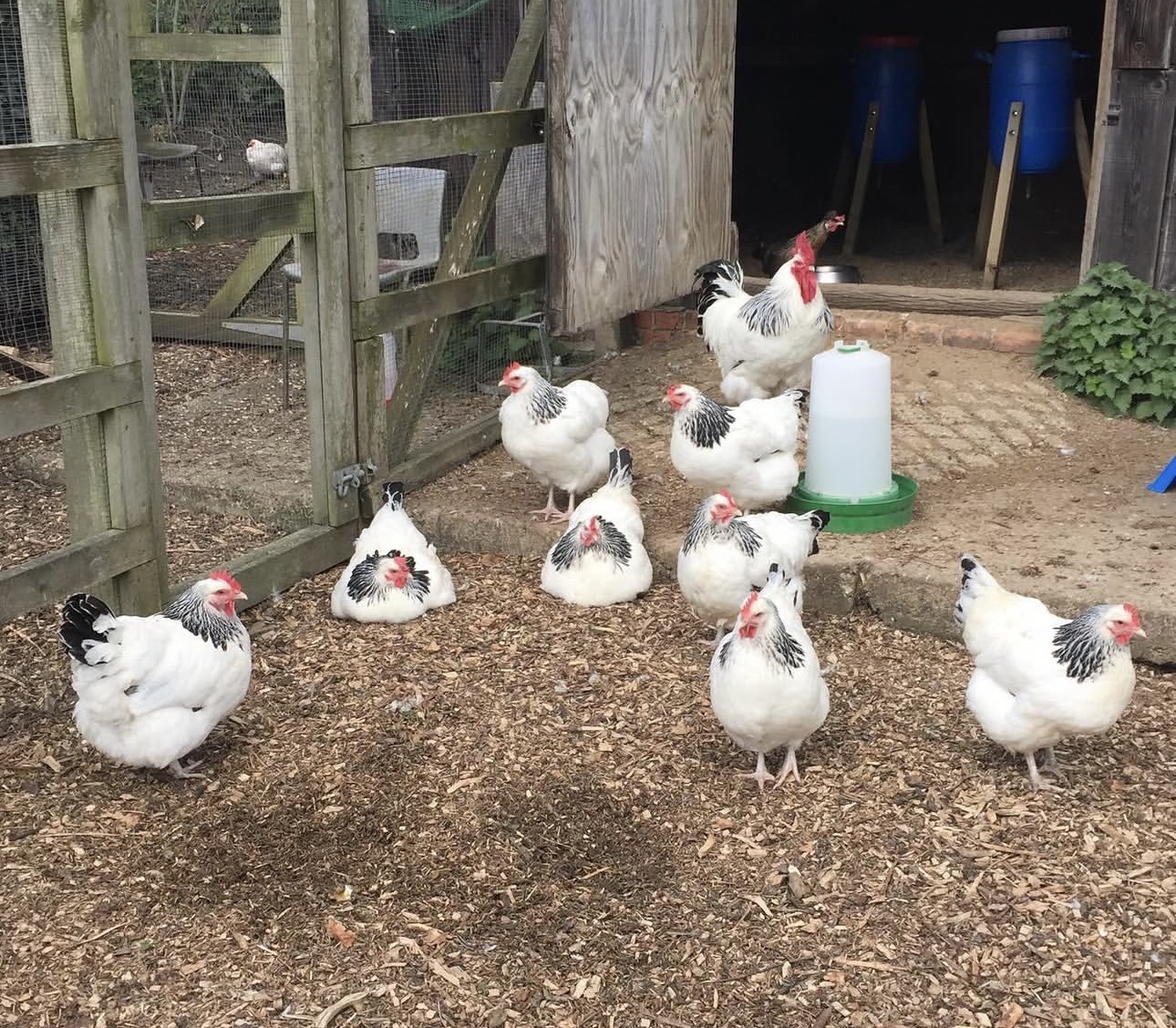
A mature hen shows clear, distinct physical traits that set her apart from male roosters:
                   THE ANATOMICAL RECOGNITION MATRIX
   [ THE HEAD ]     ──► Small comb and wattles, smooth neck feathers.
   [ THE BACK ]     ──► Round, blunt cushion feathers across the loin.
   [ THE TAIL ]     ──► Short, upright tail feathers without long, curving sickles.
3.1 Head and Comb Identification
Hens generally feature much smaller, paler single, pea, or rose combs compared to roosters of the same breed. Their neck feathers (hackles) are smooth and rounded, while a male’s hackle feathers grow long and pointed.
3.2 Body and Feather Structure
The body plumage of a female is designed for safety and camouflage. A hen’s saddle feathers—the area where the back meets the tail—are rounded and blunt. Roosters, on the other hand, grow pointed saddle feathers and long, sweeping tail feathers called sickles.
Section 4: Reproductive Biology and Egg Production Metrics
Understanding how hens lay eggs is essential for running a successful backyard coop.
                  THE 25-HOUR OVIDUCT PRODUCTION PIPE
  [ Ovary Release ] ──► [ Infundibulum ] ──► [ Magnum / Albumen ] ──► [ Shell Gland ]
   Yolk Ovulation        Fertilization        Egg White Layer         19-20 Hour Shell
   15 Minute Window      Location (If Mated)  3 Hour Travel           Mineral Build
4.1 Can Hens Lay Eggs Without a Rooster?
One of the most frequent questions from new keepers is: Can a hen lay eggs without mating? The answer is yes. A hen’s reproductive system releases a yolk from her ovary every 24 to 26 hours based on daylight cycles, completely independent of male birds.
A rooster is only necessary if you want to fertilize the eggs to hatch into baby chicks. For clean, fresh table eggs, a rooster is not required.
4.2 Managing Birds for Optimal Egg Laying
If you are managing hens for egg laying, your main goal is supporting their active metabolic needs. Building an eggshell requires a massive amount of minerals. Ensure your feed setup includes a steady supply of calcium so your hens can continue laying strong, firm eggs throughout the season.
Section 5: Structural Flock Ratios and Management Architecture
+──────────────────────────────────────────────────────────────────────────+
|                    ROOSTER-TO-HEN SOCIAL ARCHITECTURE                    |
+──────────────────────────────────────────────────────────────────────────+
|                                                                          |
|   [ Minimum Setup ]  ──► 1 Rooster : 10 Hens (Protects Hen Feathers)     |
|                                                                          |
|   [ Maximum Setup ]  ──► 1 Rooster : 12-15 Hens (Best Flock Harmony)    |
|                                                                          |
+──────────────────────────────────────────────────────────────────────────+
5.1 Calculating the Ideal Rooster-to-Hen Ratio
Maintaining the correct balance of males and females keeps your coop peaceful and protects your hens from stress. When looking up how many hen per rooster, use these proven ratios:
- Heavy Heritage Breeds: Maintain a ratio of 1 rooster for every 10 to 12 hens.
- Light Production Breeds: Maintain a ratio of 1 rooster for every 12 to 15 hens.
If you keep too few hens per rooster, the males can over-mate the females. This strips the feathers from the hens’ backs and leaves them vulnerable to skin injuries or winter cold.
Section 6: Comprehensive Comparison Index
This structured reference guide provides an immediate breakdown of the terms used across the poultry world:
| Identification Class | Exact Biological Sex | Standard Age Window | Expected Reproductive Output | Common Behavioral Traits |
| Chick | Male or Female | Hatch to 12 Weeks | None (Juvenile Phase) | High flocking drive, stays near heat |
| Pullet | Female | 12 Weeks to 1 Year | Starting first small eggs | Active foraging, building social status |
| Cockerel | Male | 12 Weeks to 1 Year | Developing fertility | Learning to crow, erratic social energy |
| Hen | Female | Over 1 Year Old | Peak egg laying performance | Calm, predictable, defensive mothering |
| Rooster | Male | Over 1 Year Old | Fully fertile protector | Crowing, flock guarding, food signaling |
Section 7: Frequently Asked Questions
What is the average lifespan of a hen?
Under good conditions, a healthy backyard hen typically lives between 5 to 8 years, though high-producing commercial hybrids often have shorter lifespans due to the metabolic strain of constant egg laying.
Do hens ever crow like roosters?
Occasionally, yes. In rare instances where a flock lacks a male leader, a dominant hen may start crowing or mimic rooster behaviors to assert her authority and protect the group.
What do you call chicken meat from an older hen vs a young bird?
Meat from young chickens raised specifically for meat is called a broiler or fryer. Meat from older hens that have finished their laying cycles is typically sold as stewing hen or boiling fowl, as the meat is denser and thrives with slow-cooking methods.
Where can I find complete blueprints for managing an egg flock?
For detailed housing plans, organic feed formulas, and expert flock-building advice, explore the library at Grassfield Homestead.
Core Strategies for Long-Term Flock Success
- Track Bird Age: Know the difference between pullets and mature hens so you can adjust their feed protein and calcium levels at the right time.
- Balance the Sex Ratio: Keep enough hens for every rooster to prevent over-mating and keep your flock stress-free.
- Support the Shell Cycle: Give your laying hens free access to oyster shells or crushed limestone so they can build thick, healthy eggshells without weakening their bones.
To study historical poultry classifications and structural standard profiles in greater detail, refer to the official agricultural frameworks provided by the American Poultry Association (APA).
Newsletter Updates
Enter your email address below and subscribe to our newsletter