
Introduction: The Poultry Revolution and the Modern Homesteader
The resurgence of micro-farming and decentralized food production has transformed poultry husbandry from a rural necessity into a sophisticated science. Sourcing the perfect combination of backyard chicken breeds requires balancing regional climatic variations, feed-to-egg conversion ratios, spatial constraints, and long-term production metrics.
Whether you are designing a high-yield egg orchard, establishing a conservation flock of rare purebred chicken breeds, or conditioning champion specimens for an exhibition showroom, success rests entirely on an understanding of avian genetics and management behavior.
This masterclass serves as the definitive global blueprint for poultry identification, breed analysis, and flock architecture. By understanding the morphologic, metabolic, and behavioral differences highlighted throughout this encyclopedia, you can maximize your homestead’s output while building a beautiful, resilient flock.
For access to premium heritage hatching lines, high-grade organic supplements, and expert blueprints built specifically for the sustainable smallholder, visit the Grassfield Homestead Digital Platform.
Section 1: The Anatomy of Breed Identification (Phenotypic Matrices)
To manage an advanced multi-breed flock, you must move beyond simple feather color and learn how to identify chicken breeds using standard morphological classification methods. Avian species express a wide array of physical traits that reflect hundreds of years of selective breeding for climate resistance, foraging skill, or visual style.
+──────────────────────────────────────────────────────────────────────────+
|                    POULTRY MORPHOLOGICAL CLASSIFICATION                  |
+──────────────────────────────────────────────────────────────────────────+
|                                                                          |
|   [ COMB TYPES ]     ──► Single, Pea, Rose, Cushion, V-Shape, Strawberry |
|                                                                          |
|   [ LOBE GRAPHICS ]  ──► Enamelled White (Mediterranean), Red (American) |
|                                                                          |
|   [ SHANK PROFILES ] ──► Clean-Legged vs. Ptilopody (Feather-Legged)     |
|                                                                          |
|   [ PLUMAGE MATRIX ] ──► Normal, Silkie (Hookless), Frizzle (Curled)     |
|                                                                          |
+──────────────────────────────────────────────────────────────────────────+
1.1 Comb Architecture and Cold-Weather Engineering
An avian comb is more than just visual decoration; it is a primary heat-exchange organ. The size, surface area, and shape of the comb determine how well a breed can handle cold weather or high humidity:
- The Single Comb: Features a straight, thin blade topped by distinct points. While excellent for shedding body heat in southern climates, breeds with large single combs are highly prone to winter frostbite in northern yards.
- The Pea Comb: A low, tight comb displaying three distinct lengthwise ridges. Because it stays low and close to the skull, it keeps heat locked in and provides excellent protection against freezing temperatures.
- The Rose Comb: A low, solid, broad comb that tapers off into a flat, rearward-pointing spike. This compact structure offers fantastic frostbite resistance.
- V-Shaped and Cushion Combs: Highly specialized structures found mostly on crested or ornamental birds, designed to stay clear of large feather crests.
1.2 Earlobe Pigmentation and Eggshell Associations
A common rule of thumb helps keepers identify chicken breeds and predict eggshell colors directly in the field:
- Enamelled White Earlobes: Typically found on breeds from the Mediterranean class (such as Leghorns or Anconas). These are classic chicken breeds with white earlobes that produce white-shelled eggs.
- Red Earlobes: Found on the vast majority of American, Asiatic, and English breeds. These birds feature red earlobes and almost exclusively produce brown-shelled eggs, with a few notable genetic exceptions like Ameraucanas or Legbars.
1.3 Shank Morphology and Leg Ptilopody
Examining the lower legs reveals a bird’s genetic background and ancestral origins:
- Clean-Legged (Denuded Shanks): Smooth, scale-covered shanks designed for wet climates, preventing mud from sticking to feathers.
- Feathered-Legged (Ptilopody): Thick feathering along the outer shanks and down the toes. This acts as built-in insulation for cold-weather breeds, though it requires dry bedding to prevent skin issues.
Section 2: Global Breed Demographics and Classification Frameworks
                       [ AMERICAN CLASS ]
               (Rhode Island Red, Plymouth Rock)
                         ▲          ▲
                         │          │
    [ ENGLISH CLASS ] ───┼──────────┼─── [ ASIATIC CLASS ]
   (Orpington, Sussex)   │          │     (Brahma, Cochin)
                         ▼          ▼
                     [ MEDITERRANEAN CLASS ]
                      (Leghorn, Ancona)
2.1 The Scope of Global Poultry Varieties
When reviewing standard population charts, keepers often ask: How many chicken breeds are there or how many breeds of chickens are there globally? The American Poultry Association (APA) and the European Association of Poultry, Pigeon, Bird and Rabbit Breeders recognize over 500 individual purebred chicken breeds and distinct color varieties. These are organized into standard geographic and morphological classes:
- The American Class: Heavy, dual-purpose birds developed for cold resilience and reliable egg production (e.g., Plymouth Rocks, Wyandottes, Rhode Island Reds).
- The Asiatic Class: Massive, heavy-boned birds from Asia featuring dense feathering and feathered legs (e.g., Brahmas, Cochins, Langshans).
- +The English Class: Famous for excellent meat quality, round bodies, and cold-weather hardiness (e.g., Orpingtons, Australorps, Sussex).
- The Mediterranean Class: Sleek, active, clean-legged birds built for extreme heat resistance and high egg production (e.g., Leghorns, Minorcas).
Section 3: Comprehensive Master Breed Matrix
This master chicken breeds chart provides technical data comparing the world’s top backyard poultry lines:
| Standard Breed Name | Primary Purpose Class | Expected Annual Egg Yield | Egg Size / Shell Coloration | Standard Mature Cock Weight | Primary Climate Fit |
| White Leghorn | Production Egg Layer | 280–320 Eggs | Large / Pure White | 6.0 lbs ($2.7 \text{ kg}$) | Heat Tolerant |
| Black Australorp | Dual Purpose / Utility | 250–280 Eggs | Large / Deep Brown | 8.5 lbs ($3.8 \text{ kg}$) | All-Weather |
| Rhode Island Red | Production Utility | 260–300 Eggs | Large / Rich Brown | 8.5 lbs ($3.8 \text{ kg}$) | All-Weather |
| Barred Plymouth Rock | Dual Purpose / Heritage | 200–240 Eggs | Large / Medium Brown | 9.5 lbs ($4.3 \text{ kg}$) | Cold Hardy |
| Silver Laced Wyandotte | Dual Purpose / Show | 180–220 Eggs | Large / Cream-Brown | 8.5 lbs ($3.8 \text{ kg}$) | Cold Extreme |
| Light Brahma | Giant Meat / Exhibition | 140–160 Eggs | Medium / Subtle Brown | 12.0 lbs ($5.4 \text{ kg}$) | Cold Extreme |
| Dark Cornish | Pure Meat Production | 100–120 Eggs | Medium / Tinted Brown | 10.5 lbs ($4.7 \text{ kg}$) | Temperate |
| Salmon Faverolle | Ornamental / Heritage | 150–180 Eggs | Medium / Light Cream | 8.0 lbs ($3.6 \text{ kg}$) | Cold Hardy |
| White Silkie | Companion / Brooder | 80–100 Eggs | Small / Light Tint | 2.5 lbs ($1.1 \text{ kg}$) | Sheltered |
Section 4: High-Yield Production Layers (Egg Productivity Dynamics)
        THE FEED-TO-EGG METABOLIC PIPELINE
  [ Feed Intake ] ──► [ Calcium Sourcing ] ──► [ Oviduct Synthesis ]
   High Protein         3.5% - 4.5% Shell       24-26 Hour Cycle
   Ration (16%)         Mineral Base            Per Egg Shell
4.1 Maximizing Your Egg Basket
To set up a highly productive egg operation, select chicken breeds and egg production lines known for efficient feed conversion. The underlying genetics of chicken breeds that lay eggs consistently determine how many eggs you collect each week:
- The White Leghorn: The undisputed king of commercial white egg production. These birds feature an active metabolism that turns basic feed into large white eggs with incredible efficiency.
- The Black Australorp: A rugged breed holding historical records for laying 364 eggs in 365 days under optimal conditions. They stand as a top choice for consistent brown egg production in small yards.
- The Rhode Island Red: A tough, dependable layer that continues producing deep brown eggs through dark winter months when other breeds slow down.
4.2 Managing Developing Pullet Flocks
Bringing young pullet chicken breeds or pullet breeds into production requires step-by-step care. Follow this structural outline to support your birds as they mature into active layers:
- The Growth Stage (Weeks 1 to 18): Feed a high-quality grower crumble with 18% protein to build strong organs, frames, and muscle.
- The Laying Transition (Week 19 and beyond): Switch your flock to a specialized layer ration containing 16% protein and 3.5% to 4.5% calcium. This ensures your pullet chicken breeds have the nutrients required to build firm shells without depleting their own bones.
- Lighting Management: Maintain 14 to 16 hours of light per day to consistently stimulate the pituitary glands of your birds during winter drops.
Section 5: Heavyweights and Terminal Meat Crosses
+──────────────────────────────────────────────────────────────────────────+
|                     MEAT TRAIT METRIC COMPARISONS                        |
+──────────────────────────────────────────────────────────────────────────+
|                                                                          |
|   [ INDUSTRIAL CROSS ] ──► 6-8 Weeks to Harvest (High Risk If Kept)     |
|                                                                          |
|   [ HERITAGE GIANTS ]  ──► 16-24 Weeks to Harvest (Dense Bone Base)      |
|                                                                          |
+──────────────────────────────────────────────────────────────────────────+
5.1 Terminal Crosses vs. Heritage Breeds
For home processing, you must choose between fast-growing commercial crosses and slower-growing heritage breeds. Both chicken breeds for meat and meat chickens breeds fill distinct management niches:
- The Cornish Cross: The absolute standard for rapid meat production. This terminal hybrid combines Cornish and White Plymouth Rock genetics to reach a processing weight of over 6.0 lbs in just 6 to 8 weeks. They represent the peak of commercial types of broiler chicken breeds. However, because they grow so quickly, they must be processed on time to avoid heart or joint issues.
- The Jersey Giant: A classic example of breeds of large chickens and heavy chicken breeds. While they take 16 to 24 weeks to reach full size, they grow into massive, deep-bodied birds with excellent, rich flavor.
5.2 Managing Massive Poultry Strains
Raising breeds of giant chickens requires specific care to support their heavy bone frames:
- Roost Configurations: Keep indoor roosts low to the floor (no higher than 18 inches). Heavy birds can hurt their feet or develop breast blisters when jumping down from high perches.
- Foraging Setup: Provide plenty of pasture access. Slower-growing giants thrive on grass and bugs, which balances their diet and lowers feed costs.
Section 6: Ornamental Masterpieces (Show and Fancy Classes)
      THE FEATHER STRUCTURE VARIATION MODIFIERS
   [ Normal Feather ]      [ Silkie Mutation ]     [ Frizzle Modifier ]
    Has Hooked Barbules     No Hooked Barbules      Shaft Curls Forward
    Flat, Tight Shingle     Fluffy, Fur-Like        Open, Crisp Curls
6.1 Exhibition Standards for Show Birds
Exhibition poultry focuses on form, color patterns, and historical breed standards. The breeds of fancy chickens and chicken show breeds category includes some of the most striking birds in the animal kingdom:
- The Polish: Instantly recognized by its large crest of head feathers. These beautiful birds require clean, dry housing to protect their crests from moisture and cold drafts.
- The Houdan: A historic French breed featuring a large feather crest, full beard, and five distinct toes. They are highly valued as dual-purpose exhibition birds.
6.2 The Unique Features of Fluffy and Hairy Breeds
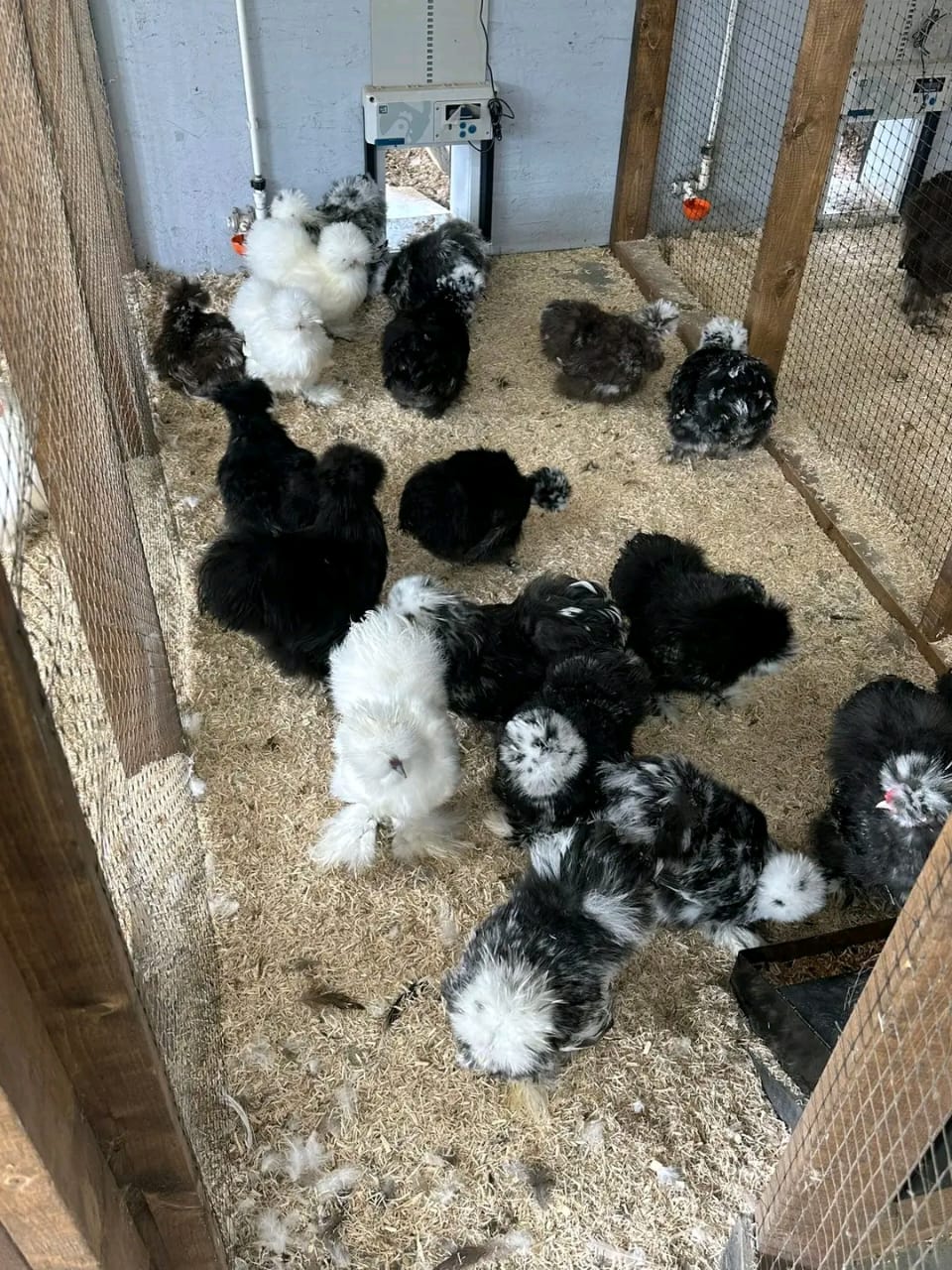
- The Silkie: The standard for fluffy chicken breeds and hairy chicken breeds. Silkies carry a unique genetic mutation that prevents their feathers from forming stiff hooks. This leaves them with soft, fur-like plumage. They also feature dark black skin and bones, five toes on each foot, and exceptionally calm personalities, making them top-tier pet chicken breeds.
- The Frizzle: Features feathers that curl outward and forward rather than lying flat against the body. This unique look requires draft-free housing, as their open feathers cannot trap body heat efficiently.
6.3 True Miniature Bantam Strains
If you have limited space, miniature chickens breeds and common small chicken breeds allow you to raise a beautiful flock in a smaller area. Bantam varieties require much less feed and space than standard large fowl:
- The Belgian d’Uccle: Famous for its full beard, heavily feathered legs, and beautiful color patterns. The Mille Fleur variety is an exceptional choice among speckled bantam chicken breeds.
- The Sebright: A true bantam breed with no large fowl counterpart. Every feather displays sharp, black lacing, making them highly prized in the show ring.
Section 7: The Chromatic Index (Color Genetics and Variations)
Selecting birds by their color patterns creates a beautiful flock and helps you easily manage different genetic lines in your yard.
+────────────────────+────────────────────+────────────────────+
| ENTIRELY BLACK     | REFINED WHITE      | SOFT GREY/BLUE     |
+────────────────────+────────────────────+────────────────────+
| - Australorp       | - White Leghorn    | - Blue Andalusian  |
| - Black Minorca    | - White Wyandotte  | - Lavender Orpington|
+────────────────────+────────────────────+────────────────────+
7.1 Rich Black and Emerald Green Iridescence
Breeds like the Black Minorca and Black Australorp are popular choices among all black chicken breeds and black chickens breeds. In clean sunlight, these birds display an intense, beetle-green shine across their plumage. This striking black chicken breeds with green sheen look highlights excellent health and strong genetics.
7.2 Classic White and Cream Plumage Strains
Strains like the White Plymouth Rock and White Wyandotte are famous examples of all white chicken breeds and breeds of white chickens. These birds look beautiful against green pasture, though they require predator-proof housing since their bright feathers stand out to hawks and foxes.
7.3 Soft Grey, Lavender, and Blue Formulations
- The Blue Andalusian: A classic example of gray chicken breeds and blue grey chicken breeds. The blue color inherits incompletely: breeding two blue birds results in a beautiful mix of blue, black, and splash (white with blue patches) chicks.
- The Lavender Orpington: A stunning breed with a true-breeding gene that creates a smooth, solid light grey chicken breeds look across soft, round feathers.
7.4 Earth Tones: Browns, Reds, and Rich Gold Strains
- Rich Brown Varieties: Breeds like the Buckeye and Rhode Island Red show deep red brown chicken breeds, brown chicken breeds, and dark brown chicken breeds. These dark feathers trap heat efficiently and hide birds from predators in wooded areas.
- Bright Gold Patterns: Varieties like the Buff Orpington or Golden Laced Wyandotte display beautiful orange and white chicken breeds and gold chicken breeds patterns that catch the eye in any backyard flock.
Section 8: Male Poultry Management (Cockerels and Roosters)
         ROOSTER DEVELOPMENT AND GROWTH PIPELINE
   [ Day 1 Hatchling ] ──► [ Week 12 Cockerel ] ──► [ Week 52 Mature Rooster ]
    Sexed via Vent         Social Hierarchy         Flock Protector Duty
    or Color Traits        Hormone Shifts Begin     Alert Guard Habits
8.1 Behavior Transitions: Cockerels vs. Mature Roosters
Managing male poultry requires understanding their development from young juveniles (breeds of cockerels) into mature flock leaders (different breeds of roosters):
- The Cockerel Phase: Young males under 12 months old often display high energy and unpredictable behavior as they establish their place in the flock. They require consistent oversight to prevent them from harassing hens.
- The Mature Rooster Phase: Once they reach full maturity, different breeds of roosters and chicken breeds roosters focus on protecting their hens, finding food for the flock, and watching the skies for predators.
8.2 Using Visual Charts for Rooster Identification
Using a comprehensive colorful rooster breeds chart helps you identify males by their specific feather patterns. Look for long, flowing sickle feathers in the tail, pointed saddle feathers across the back, and sharp hackle feathers around the neck to quickly evaluate a male bird’s breed and quality.
Section 9: Advanced Step-by-Step Multi-Breed Integration Protocol
Introducing new birds or mixing different backyard chicken breeds into a single coop requires a step-by-step approach to prevent bullying and maintain peace. Follow this proven management framework:
Step 1: Quarantine (30 Days) ──► Step 2: Visual Contact ──► Step 3: Shared Free Range ──► Step 4: Full Integration
Step 1: Strict Biological Quarantine
Keep all new arrivals in a separate pen at least 100 feet away from your main flock for 30 days. This crucial window allows you to spot external parasites, respiratory issues, or digestive diseases before they can spread to your healthy birds.
Step 2: Visual Contact without Physical Access
Move the new birds into a secure, wire-separated pen right next to your main flock’s run. This “look but don’t touch” setup lets the birds see each other, hear calls, and get used to one another without any risk of physical fighting or injury. Maintain this setup for 7 to 10 days.
Step 3: Coordinated Free-Ranging
Release both groups together into a large, open outdoor area late in the afternoon, about two hours before sunset. The wide-open space gives lower-ranking birds plenty of room to run away if chased, while the approaching dusk naturally encourages everyone to focus on heading into the coop to roost rather than fighting.
Step 4: Final Coop Integration and Extra Feeders
Gently move the new birds onto the main roosts in the middle of the night while the flock is asleep. The next morning, set up at least two extra feed and water stations around the run. This stops dominant hens from blocking access to food and ensures a smooth, peaceful transition for your new birds.
Section 10: Complete Seasonal Care Matrix
To keep a multi-breed flock healthy year-round, you must adapt your coop care to match changing seasonal demands:
+─────────────────────+─────────────────────────────────────────────────────────────────────────────────────────+
| Target Season       | Critical Care Requirements for Backyard Multi-Breed Flocks                              |
+─────────────────────+─────────────────────────────────────────────────────────────────────────────────────────+
|                     | - Set up warm brooders with clean dry bedding for incoming baby chicks.                  |
| Spring Buildup      | - Clean and sanitize the entire coop structure to remove winter dust.                  |
|                     | - Switch laying hens to premium calcium-enriched feed rations.                          |
+─────────────────────+─────────────────────────────────────────────────────────────────────────────────────────+
|                     | - Provide deep shade and clean, cool water to protect heavy breeds from heat stroke.    |
| Summer Ventilation  | - Install open wire mesh screen doors to maximize fresh airflow through the coop.        |
|                     | - Check under wings and around vents weekly for external mites and lice.               |
+─────────────────────+─────────────────────────────────────────────────────────────────────────────────────────+
|                     | - Feed high-protein treats (like sunflower seeds) to support new feather growth.      |
| Autumn Molting      | - Seal up any cold drafts at bird level while keeping high roof vents open.             |
|                     | - Clean and clear nest boxes before winter light drops shorten laying windows.           |
+─────────────────────+─────────────────────────────────────────────────────────────────────────────────────────+
|                     | - Use heated water bases to keep your flock's drinking supply from freezing solid.      |
| Winter Security     | - Apply protective ointment to large single combs to prevent cold frostbite.           |
|                     | - Keep bedding extra dry to prevent moisture buildup and respiratory issues.            |
+─────────────────────+─────────────────────────────────────────────────────────────────────────────────────────+
Section 11: Frequently Asked Questions (FAQ)
What are the best backyard chicken breeds for urban areas with close neighbors?
The Buff Orpington, Australorp, and Barred Rock are excellent choices for urban backyards. These breeds are exceptionally calm, handle small spaces well, and make very little noise compared to flightier Mediterranean varieties.
How can you tell the difference between a cockerel and a pullet chick?
At a young age, look closely at their leg size and comb development. Breeds of cockerels quickly develop larger, redder combs and grow thicker legs than pullets. For certain varieties, you can use feather-sexing or color-sexing methods at hatch to tell males and females apart instantly.
Why did my high-producing layers stop laying eggs in the autumn?
This is a natural response to changing seasons. Every autumn, mature birds go through a molt where they stop laying eggs to shed old, worn feathers and grow a fresh winter coat. This process takes a lot of energy, so shifting them to a high-protein feed helps them complete the cycle efficiently.
Can large giant breeds be housed safely in the same coop as small bantams?
Yes, you can mix different sizes if you provide plenty of space. Ensure your coop has low roosts for heavy breeds of giant chickens alongside high perches for light bantams. Setting up multiple feeding stations prevents larger birds from bossing smaller ones away from food.
Where can I access complete blueprints for setting up a heritage homestead?
For detailed guides on rotational pasture management, incubator setups, and heritage breed preservation, explore the library at Grassfield Homestead.
Key Strategies for Long-Term Homestead Success
- Diversify Your Flock: Mix high-yielding production layers with cold-hardy dual-purpose heritage breeds. This keeps your egg basket full year-round and protects your flock against changing weather patterns.
- Prioritize Protein Dynamics: Match your feed rations to your flock’s life stage. Use high-protein feeds for growing chicks and molting adults, and switch to calcium-rich options for active layers.
- Design for Security: Protect your investment by building heavy-duty coops with hardware cloth, secure latches, and plenty of draft-free ventilation to keep your birds safe and healthy.
To study historical poultry standards, deep-dive genetic histories, and official breed judging criteria in greater detail, refer to the academic guidelines maintained by the American Poultry Association (APA).
Newsletter Updates
Enter your email address below and subscribe to our newsletter